Electrical Uncertainty Means Stay Back
The cost of emergency extraction can shift with the affected area and how safely workers can reach it. A homeowner should not treat a clear path as permission to cross standing water. Keep out when outlets, appliances, wiring, or other electrical equipment may be wet. If utility conditions cannot be confirmed from a dry location, stay back and contact qualified help. Walking through flood water can expose someone to hazards that are hard to judge from a doorway. Standing water safety starts with stopping before entry, not testing the route.
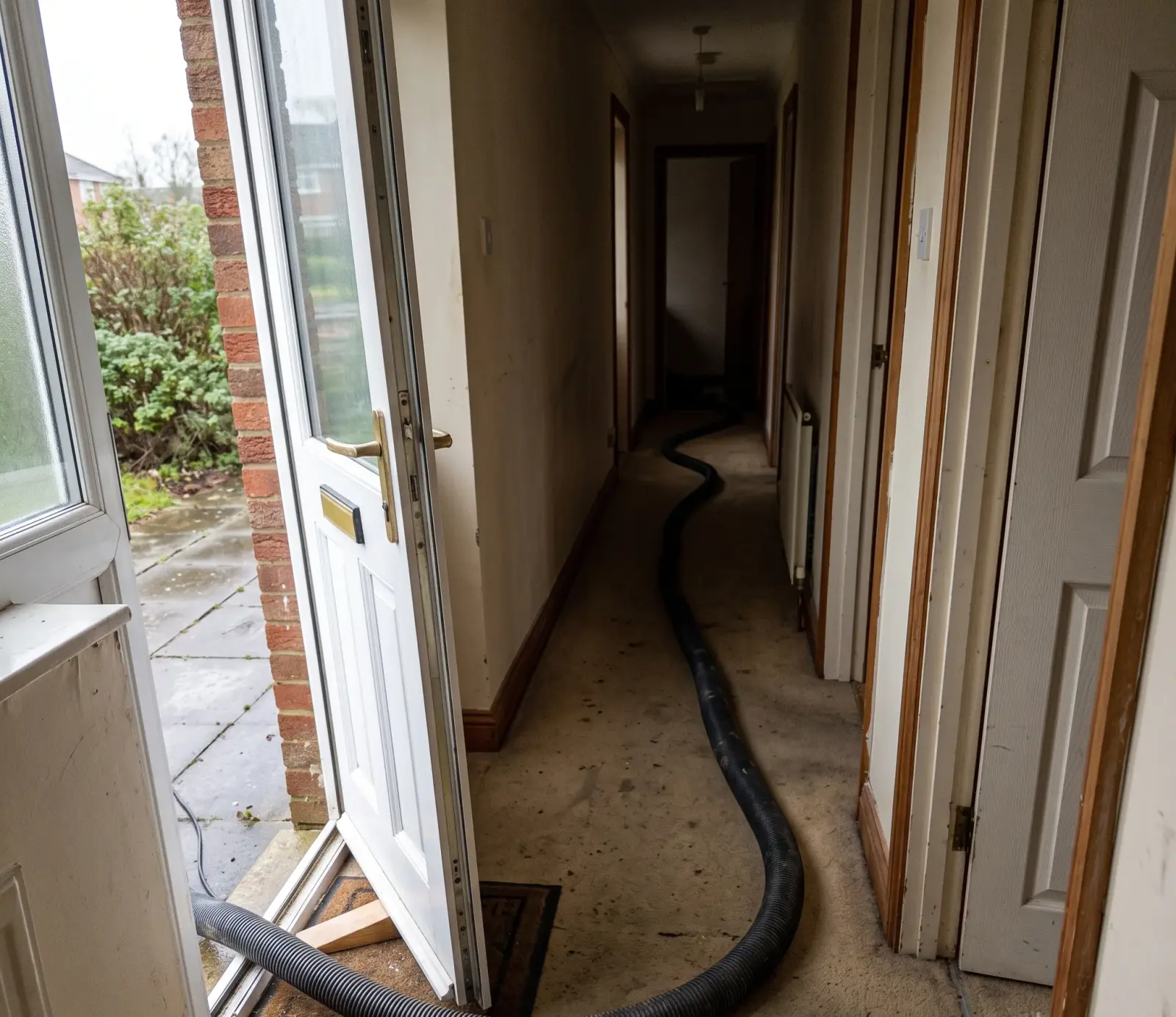
A view from the doorway cannot show whether electrical equipment beyond the visible room has been affected. Water may extend under a door or around a corner, changing which areas are safe to approach. Do not enter to check outlets or appliances. Tell the professional what can be seen from a dry place and mention any uncertainty about utility conditions. Footing can be uncertain even when the visible surface looks clear. Keep the route to the affected area clear for qualified help.
Water Can Hide Floor Changes
A shallow-looking surface can cover a dropped item, loose flooring, or a sudden change in floor height. These conditions can catch a foot before a person sees what caused the stumble. Water may also hide a floor opening or an unstable section. A homeowner should stay out when the bottom cannot be seen clearly or the floor condition is unknown. Do not probe with a foot or use belongings as stepping stones. A safe assessment needs a route that does not depend on guessing what lies below.
The edge of a wet area can be slippery even where no water is pooled. Tile, finished concrete, and stairs may offer poor footing after water has spread across them. A damp-looking patch can also hide a soft or uneven surface. If reaching a dry-looking strip requires stepping onto an uncertain floor, use another route only if it is clearly dry and safe. Otherwise, remain outside the affected space. A professional can check floor conditions before anyone attempts to cross.
Keep People and Pets Behind a Boundary
Children and pets may enter a wet room before an adult notices. A closed door can help keep them away when it separates the affected area without requiring anyone to approach the water. If there is no safe door, keep household members in a separate dry area and supervise access. Do not send someone in to retrieve a toy, pet, or personal item. An owner can describe the boundary and any access concerns when requesting help.
Set a boundary from dry ground, using a closed door or another barrier already within safe reach. Do not cross the water to place a warning or move furniture. Keep hallways and entrances clear of people and pets while help is arranged. Keep the boundary in place until the professional says the area can be approached. Removing visible water does not settle whether damp materials need further attention.
Clarify the Assessment and Extraction Scope
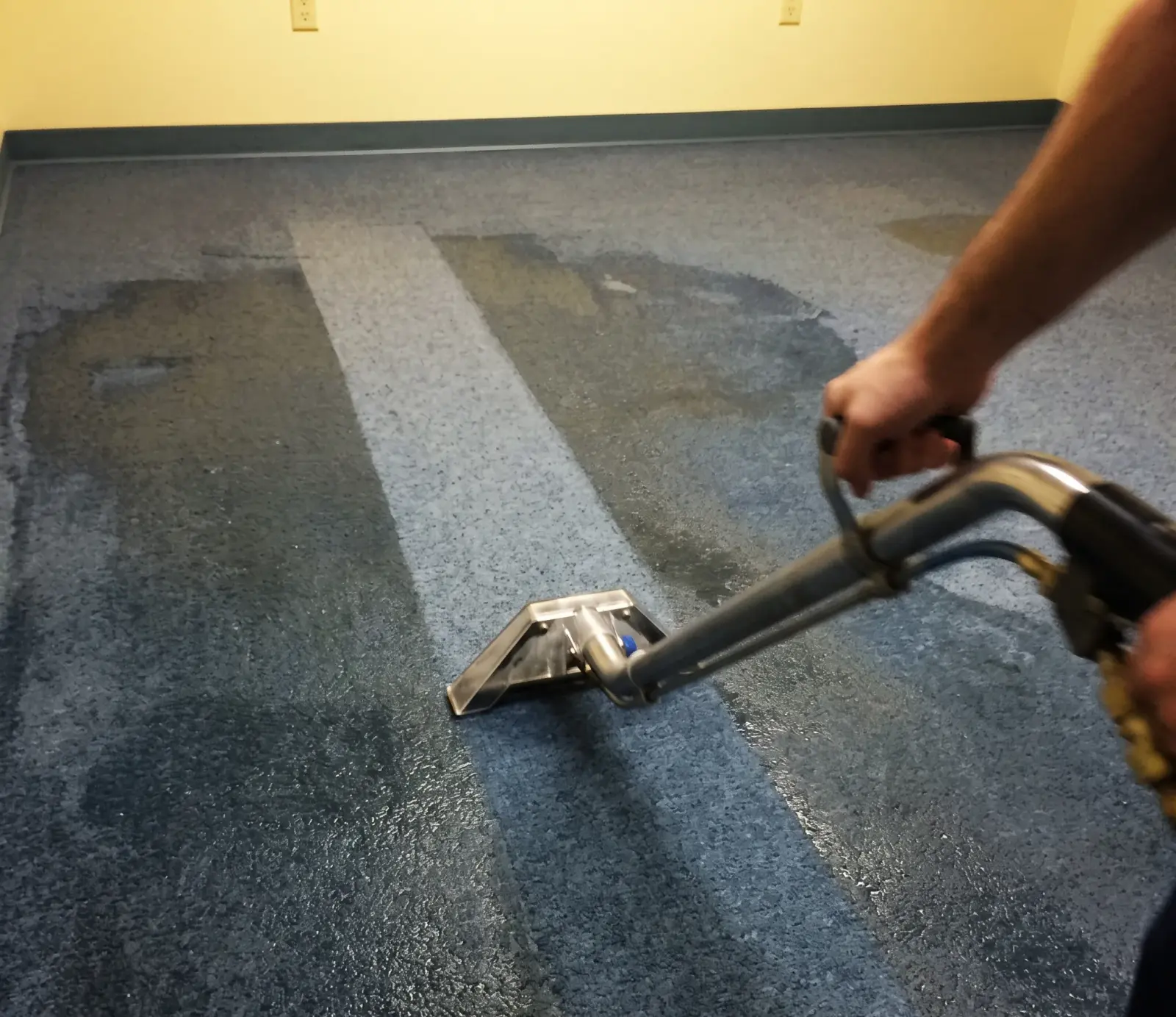
Water can spread beneath flooring or into materials beyond the visible pool. A homeowner should clarify which rooms and surfaces are included before work starts. Ask how belongings near the pooled water should be handled during the work. It does not repair a leak or confirm that the property is ready to use. Share observations from a dry location, such as where water is visible and which routes appear affected. This helps the professional plan an assessment without asking the owner to cross the water.
Ask how the work area will be marked while extraction is underway. Ask whether the proposed work removes pooled water only or includes later moisture checks and drying. Those are separate tasks, and clearing visible water does not confirm the building is dry. Ask what observations or photos from a dry area would help them plan. Location pages identify listed service areas; requests elsewhere use the same referral. What must be safe before entry? What work follows extraction?
Dealing with standing water at your home?
An estimate should state the visit charge and define the removal work; extraction addresses standing water, while drying and repairs fall outside that task. A musty smell can signal moisture lingering beyond the visible water. For other areas, the national page routes requests through the same referral. Before scheduling, confirm the pros we connect you with serve the address, can respond when needed, and explain timing limits. Tell them if water could be contaminated. Request a written scope and records, then clarify whether drying, source repair, cleanup, or rebuilding needs separate arrangements.