Factors That Shape Extraction Scope
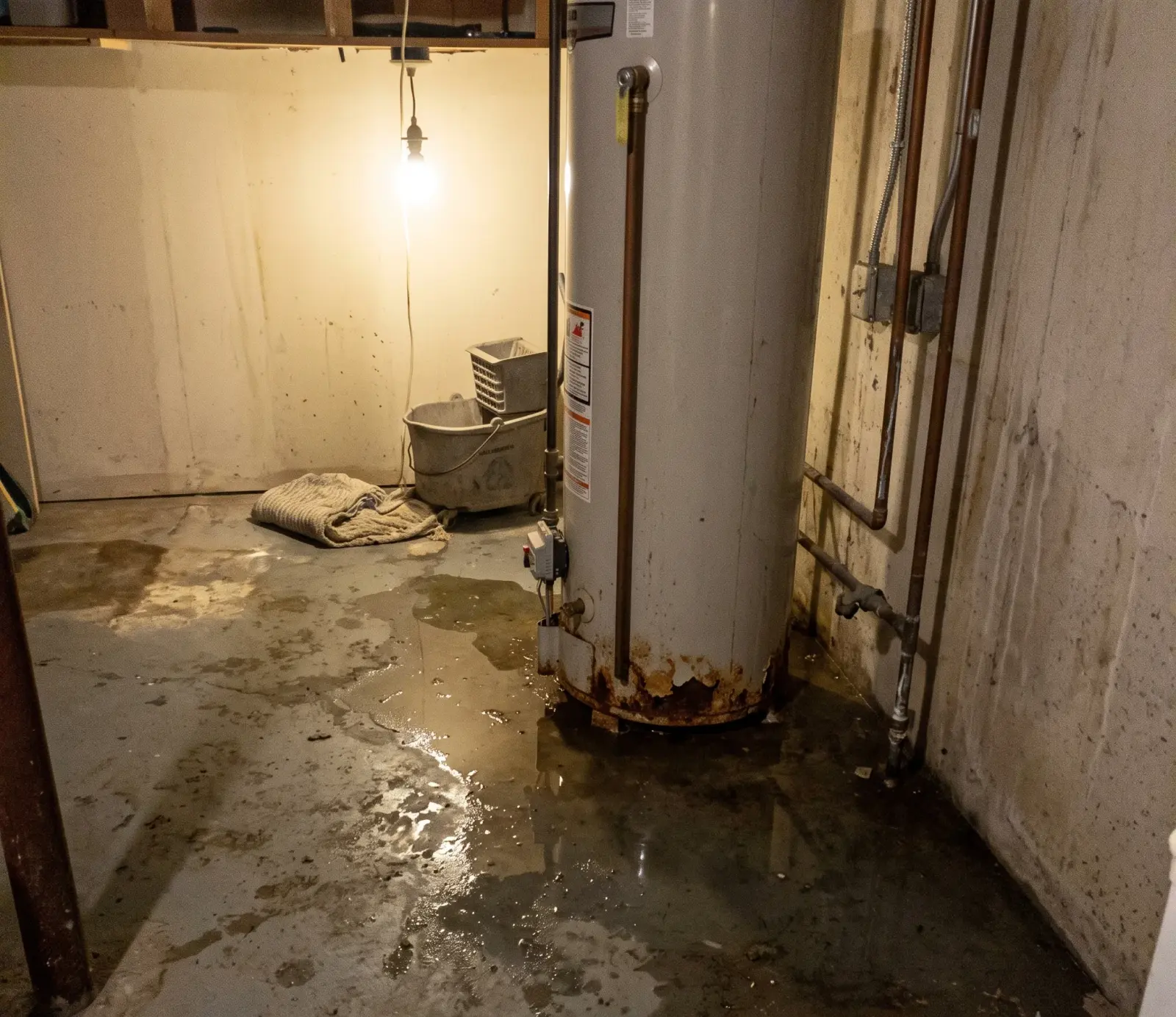
Basement layouts differ across the covered states. A heater may sit beside finished walls, shelving, or stored belongings, allowing water to pass under items before the full spread is visible. The exposed floor edge alone may not show every surface that became damp.
Requests connect with the licensed pros we connect you with for help with the reported problem. Where a place has its own page, it provides place-specific context. Requests from other covered places connect through the same referral.
A call can come through a city or county page or through the shared referral for other locations. The service check applies to the property itself, so its address helps establish whether the pros we connect you with are available there.
Damp Building Parts Afterward
- POOL DEPTH
- A puddle’s visible edge may not show water held beneath nearby objects or at floor joints.
- FLOOR ROUTE
- A wet trail toward a doorway can help show how water left the heater area.
- POWER SAFETY
- Swollen trim can mark water at a wall base after the floor appears clear.
- WALL EDGES
- Water on stored belongings may mean those items also need attention.
- STORED ITEMS
- Ask whether wall bases and trim are included in the moisture check.
- Water Source
- The water's route can include floor edges, wall bases, and stored items. The room layout, floor, and nearby materials determine which areas may need attention.
- LABOR NEEDS
- an estimated $700–$1,400
Extraction in Homes and Businesses
Cleanup focuses on the water and affected surfaces left after a leak. Extraction removes water that has already spread onto the floor. A repaired heater can leave wet flooring or nearby materials that still need attention. A repair invoice or work order identifies work on the heater or its connections. Extraction records describe water removal from the floor. These documents clarify whether the leak source, the resulting water, or both were addressed.
Moisture After Visible Water Is Gone
After the leak source is addressed, the provider traces water from the heater footprint across the floor and toward wall edges or stored belongings. They choose extraction equipment for the accessible pooling, then remove standing water. Nearby materials can be checked for retained moisture afterward. Drying, source repair, and restoration may involve separate work.
The provider extracts pooled water from the affected floor with equipment suited to the conditions. After removal, they can check nearby floor edges, wall bases, and stored-item areas for moisture. Drying equipment or source repairs may involve separate work.
The removal area and any follow-on drying affect the cost. An exposed pool in one area may be cleared in one appointment. Water trapped under flooring or still entering needs more than extraction; ask which later checks or drying tasks are included in the plan.
WHICH CONDITIONS CALL FOR WATER REMOVAL OR A MOISTURE REVIEW
| Service Limits |
Work Sequence |
|---|
| Indoor water accumulation after intrusion | Insurer work records |
| Water collecting anew in treated rooms | Scope estimate |
| Floor-level pooling in several disconnected spaces | Pooling removed; equipment addresses dampness |
Arrange Entry Details Before Help Arrives
A homeowner can read the heater label or display without moving the unit. Note visible water at the floor edge, wall base, or stored belongings, and photograph those signs from a place that is not wet. Share the heater location and observations with a provider after the leak is addressed. Do not open heater panels or move the tank.
How Water Changes Safe Movement
Water around a heater can hide floor edges and create a fall risk. Wet outlets, wiring, or powered equipment may also make the area unsafe. Keep household members clear; do not step through water to inspect or move equipment. Do not turn electrical equipment on or off while standing in a wet area.
Learn What Water Removal Work Covers
When comparing quotes, check whether each covers the same rooms, water level, and access conditions; ask the pros we connect you with to state the removal cost.No local price band is supported here. A written estimate should tie the charge to the area needing extraction, water volume, access, and listed tasks. A clear task list also shows where water removal ends and separately scoped work begins. Ask whether a visit fee applies and get the work boundaries in writing before approval.Factors behind total charges are covered in pricing guide, while Basement Water Extraction explains urgent removal of accumulated water.