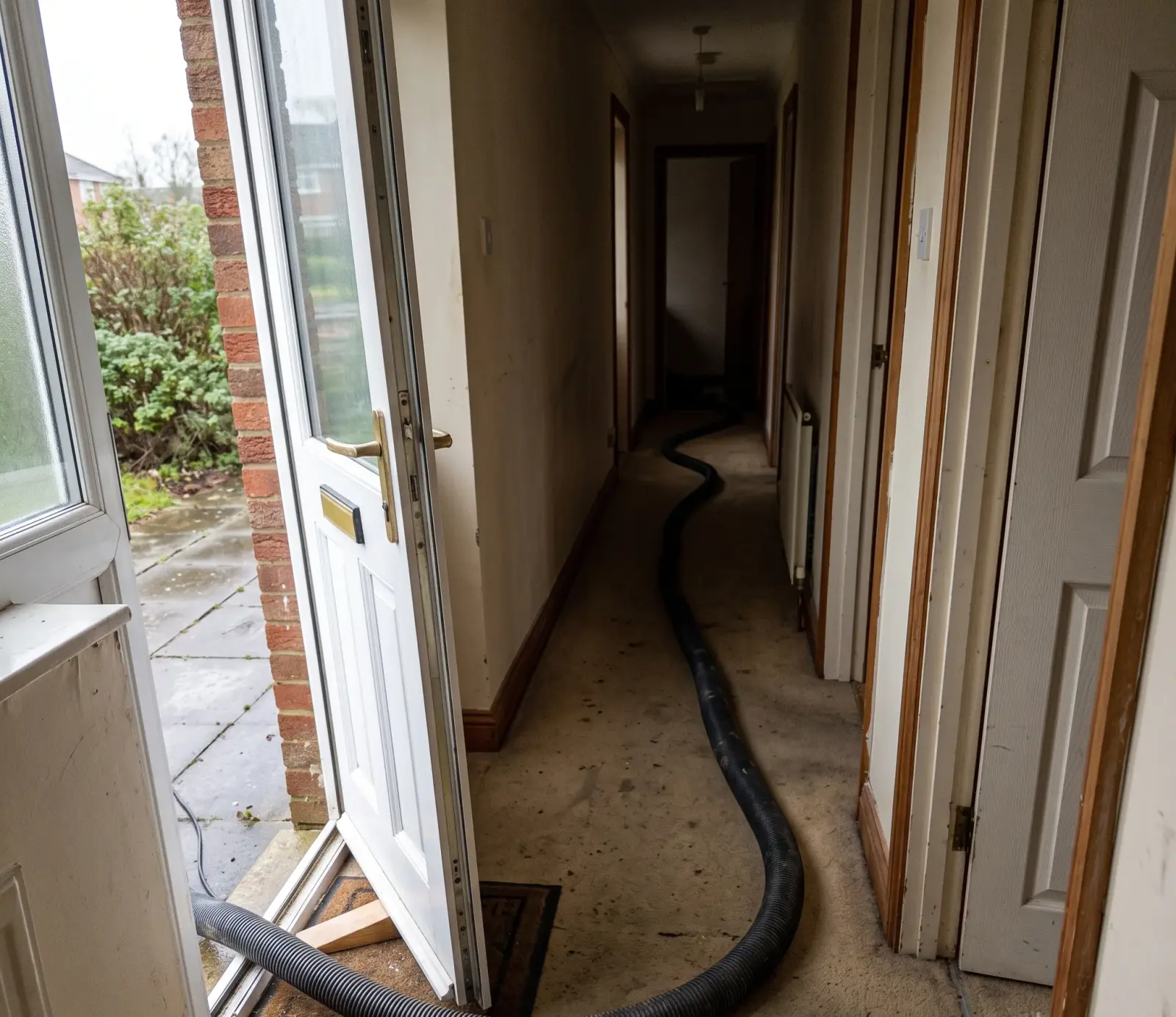
Emergency Response Time
There is no single nationwide arrival time. Learn what can shift an estimate, which details to share, and what to confirm with connected pros.
Read article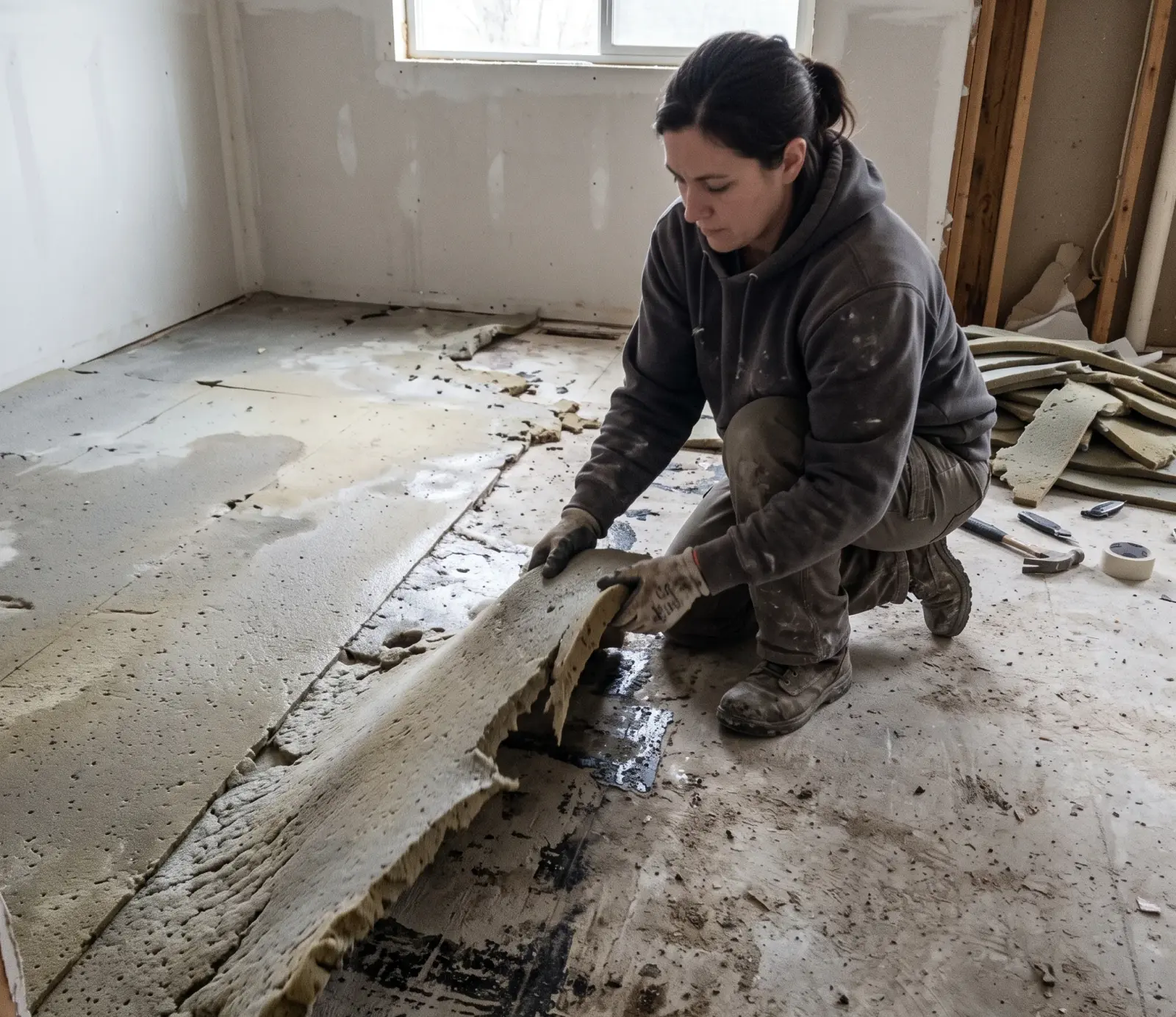
Follow carpet water removal from the first room check through extraction and next-step planning
The cost of carpet water extraction depends on the wet area, access, and whether water reached the pad. An assessment can establish which carpet sections are included in the extraction work. Carpet can hide water below its visible surface, so a room may look less affected than it is. A homeowner can help define the job by keeping foot traffic off soaked areas and describing how far the water traveled when arranging an assessment.
The water’s source can affect which cleaning and drying steps are suitable for the carpet. Long hallways, stairs, closed rooms, and bulky furnishings can add handling. A pro can draw water from accessible carpet, then check an edge or lift a section to see how far saturation extends. The carpet’s construction and condition help determine whether it can stay in place. Dense padding, trapped water, and tight access can change the work plan and the time needed.
For the United States and Birmingham AL, Homewood AL and Anniston AL, Carpet and Pad Water Extraction addresses water already inside. If a leak continues, the owner must arrange separate attention to its source.
For a residence, residential emergency water extraction sets out the home service; commercial emergency water extraction gives rental and business owners the corresponding property details.
A carpet that feels unusually heavy or yields under a step may have water beneath its surface. The pile can dry or flatten at a different rate from the cushion below, so touch alone cannot show the full wet area. A homeowner should note which rooms feel affected and avoid walking across soaked sections where practical. Tell the provider about the suspected boundary when requesting an assessment; this helps define which carpeted areas need attention.
Check the carpet where it meets a doorway, closet, or room transition. A loose edge, damp seam, or wet strip can indicate that water moved beneath the visible patch. The carpet may also pull away from its usual position. These clues help locate areas for inspection, but they do not determine whether the pad can remain. Keep the edge undisturbed and describe what changed when arranging service.
A lingering odor or discoloration that returns after blotting may point to water held under the carpet. The surface can seem improved while the pad remains affected. Neither smell nor color measures the moisture below, so report when the carpet became wet and how far the water appeared to travel. That history can help the provider set the extraction scope and decide what needs closer assessment afterward.
They outline affected rooms, carpet edges, furniture, and access limits, then use that scope to prepare the estimate.
They locate reachable pooled water and remove it with extraction equipment suited to the carpeted area.
They discuss whether the pad needs separate extraction and whether access requires lifting or handling the carpet.
They document the removal completed and identify moisture assessment or drying as possible separate next steps.
Carpet and pad are distinct layers. Water can pass through the carpet backing and collect in the cushion, where surface equipment may not reach it directly. That is why carpet water extraction and carpet pad extraction may involve different access or handling. The carpet backing separates the visible pile from the cushion beneath it. The wet boundary helps define which carpet sections are part of the work.
Carpet and pad can respond differently to the same spill. A clean-looking pile may hide a pad that stays heavy or releases water when pressed; staining near an edge can show where liquid traveled. Work records can identify the rooms treated, whether carpet was lifted, and any sections blocked by furniture. Keep those notes and photos with the claim file. That record helps the owner see what the extraction covered and which areas still need attention.
Coverage works through local pages where the site has them; other locations connect through the same referral. A national page does not establish a separate local provider or service scope for every address. When arranging an assessment, give the property location and describe the rooms, carpet edges, and apparent spread. The estimate should identify the work proposed for that property, including limits on access or pad handling.
In the United States, Carpet and Pad Water Extraction estimates show expected removal costs, while the pros we connect you with set any dispatch fee and define covered extraction tasks on paper.
| Work Area | Extraction Scope | Drying Equipment |
|---|---|---|
| Small Pooling | Pump or wet-vac removal of accessible floor pooling | an estimated $400–$2,000 |
| Floor Section | Visible water collected from clear portions of an affected room | an estimated $460–$2,600 |
| Joined Spaces | Exposed-surface collection; moisture inside materials is separate | an estimated $400–$2,000 |
| Broad Interior | Visible floor pools removed; drying equipment is estimated separately | an estimated $960–$8,000 |
Moisture may remain hidden after the visible water is gone. Drying, fixing the source, and rebuilding are distinct tasks; selecting more durable replacement materials can change repair costs. Review the full pricing guide alongside a written breakdown to see what each option includes.
A pro can make repeated passes over accessible carpet to draw water from the pile into recovery equipment. Pooled water may first be collected with a pump or wet vacuum. If the pad holds water, lifting an edge can provide access, depending on the carpet’s construction and condition. The amount recovered and how the layers respond help guide what happens to the pad. Describe the affected rooms when arranging an assessment.
A heavy or springy feel, a damp seam, a loosened edge, or a returning odor can suggest water has moved below the pile. Those signs help identify areas to discuss, but they cannot show how much moisture remains or establish whether the pad can stay. A moisture assessment can help evaluate conditions that touch and odor cannot show.
Whether the carpet and pad can remain depends on the water exposure and the condition found during assessment. The surface appearance alone cannot settle that decision. Ask the provider to explain what can be extracted in place, whether reaching the cushion requires lifting an edge, and what handling the estimate includes. Any removal or replacement beyond extraction should be clearly scoped as separate work.
The estimate should make clear whether pooled water removal is the full scope. Share the suspected wet boundary and any areas that are difficult to reach. Ask for the estimate to distinguish carpet extraction from other proposed work, so the written scope shows what the cost covers.
Carpet may feel drier on top while its pad remains saturated. Extraction removes water the equipment can draw out, but it does not confirm that every layer is dry. A stale odor may develop when damp carpet and padding stay enclosed without enough airflow. A dark edge, a pad that squishes, or a lingering damp feel are reasons to have the area checked before furniture returns.
Avoid stepping onto wet pile where practical; pressure can push water sideways into adjoining pad or track it into other rooms. When arranging an assessment, name the rooms affected and the farthest point the dampness reached, including closets or hall transitions. Keep rugs and loose items off the wet carpet so they do not hold moisture against the pile. These details help the provider plan access to the carpet.
Budget $700–$1,400 as the estimate for Carpet and pad water extraction. The provider confirms the charge after assessing the water present, materials it reached, access to the area, and removal plan.
A leak may continue adding water, so its source can need separate attention.
There is no single nationwide arrival time. Learn what can shift an estimate, which details to share, and what to confirm with connected pros.
Read article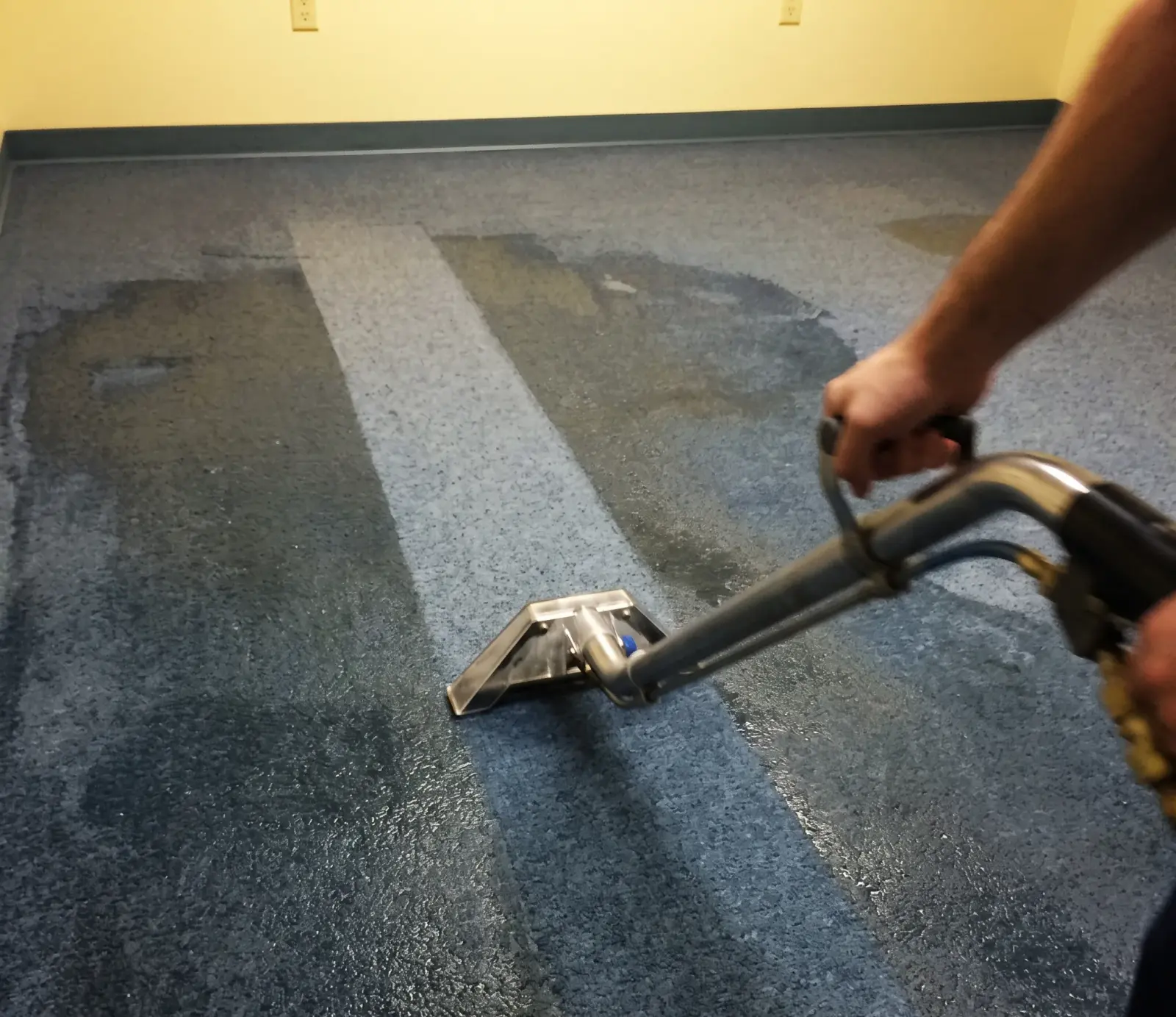
How long does emergency water extraction take? See how water volume, access, and surfaces shape the estimate, and what to clarify about scope and completion.
Read article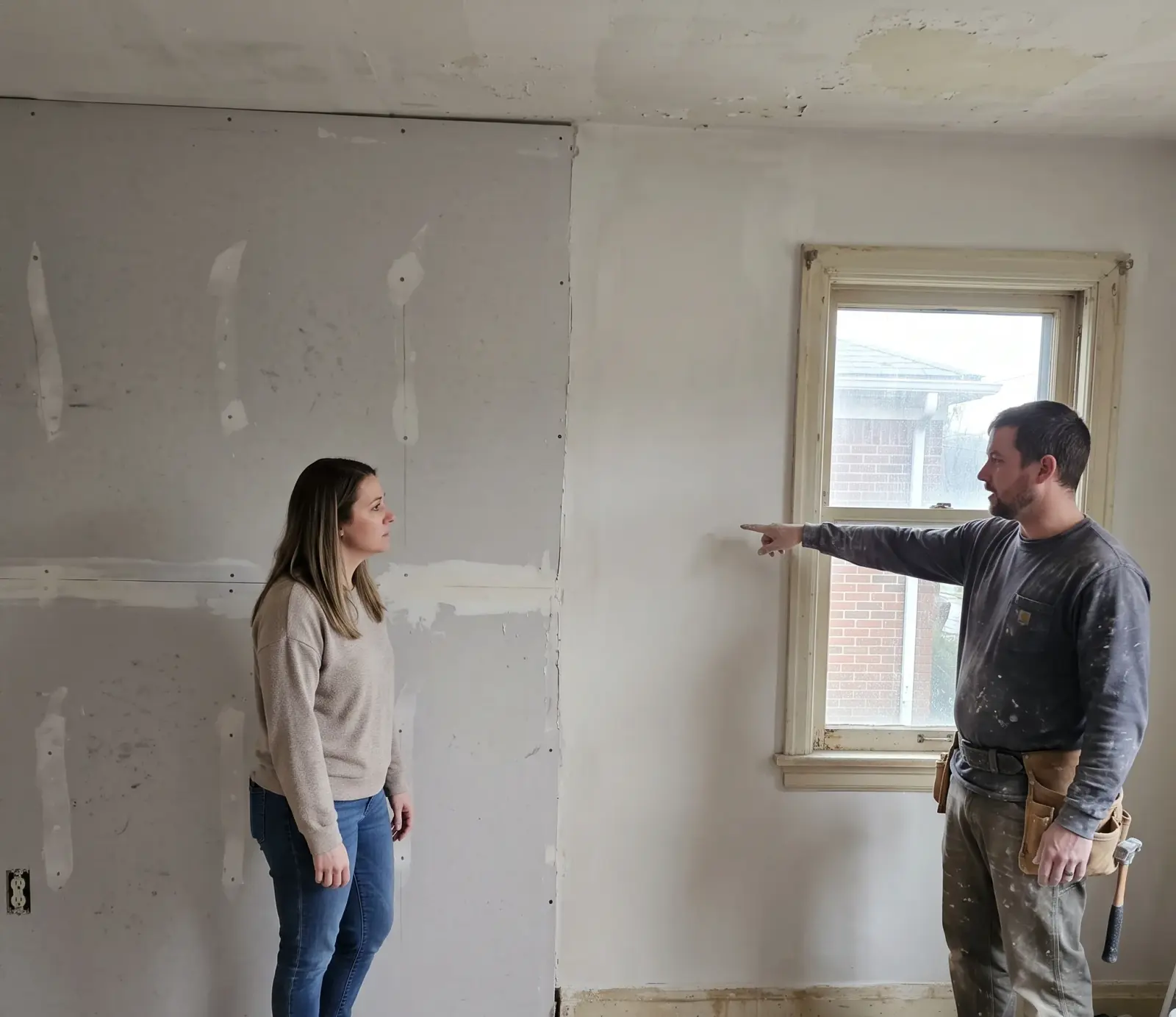
Standing water can hide electrical and footing hazards. A clear view from a doorway cannot show how far water has traveled.
Read articleCost can change with the affected areas and the work included. Service area pages provide place-specific details; elsewhere, requests use the same referral. A homeowner can describe where water stands and how it entered when requesting an estimate for urgent removal. Compare estimates by checking whether each covers extraction alone or includes moisture assessment and drying equipment.
Call (888) 369-0191