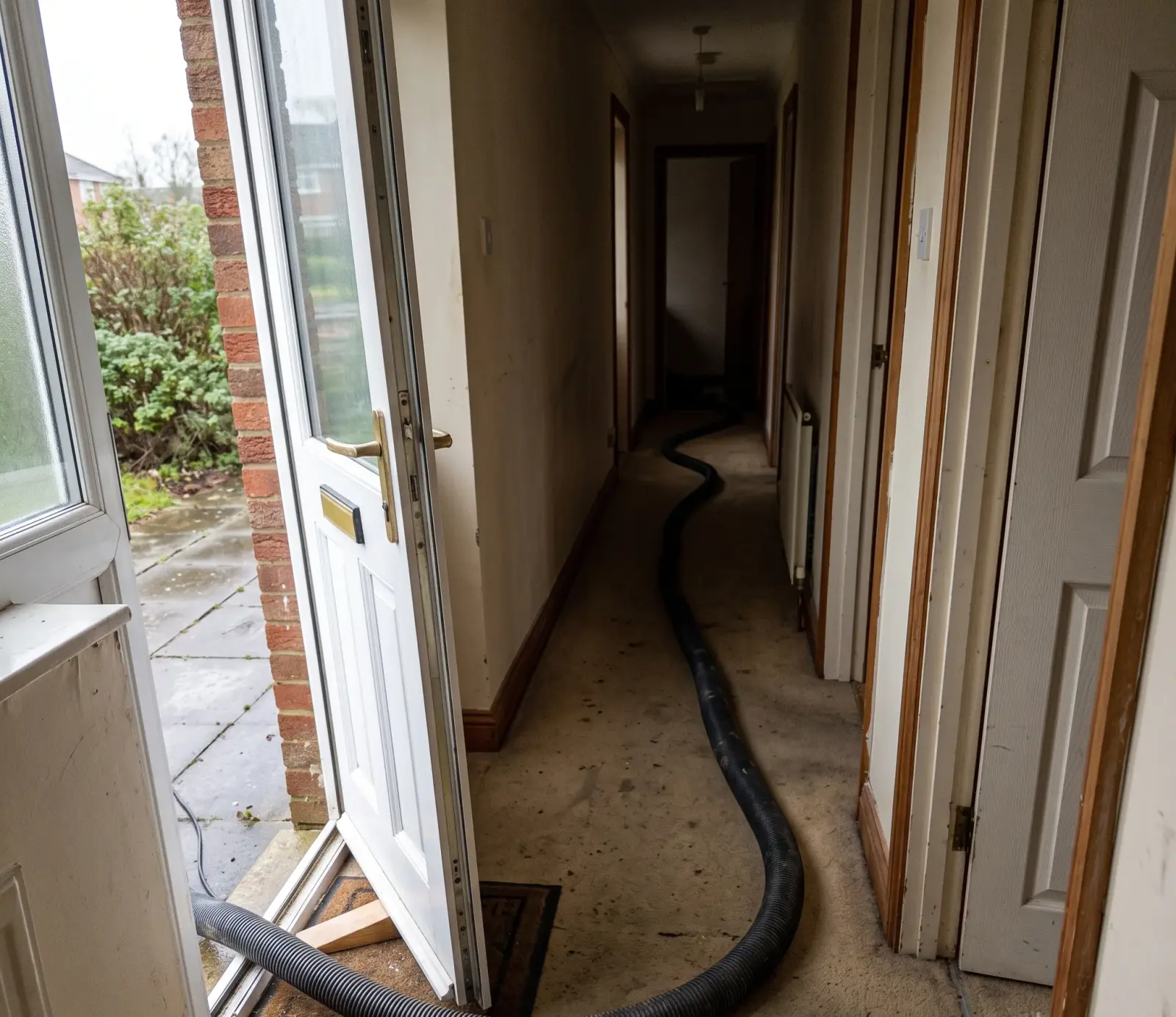
Hotel Water Extraction
Hotel Water Extraction. Coordinate room access, operating hours, and guest routes before emergency water removal begins.
See what extraction involves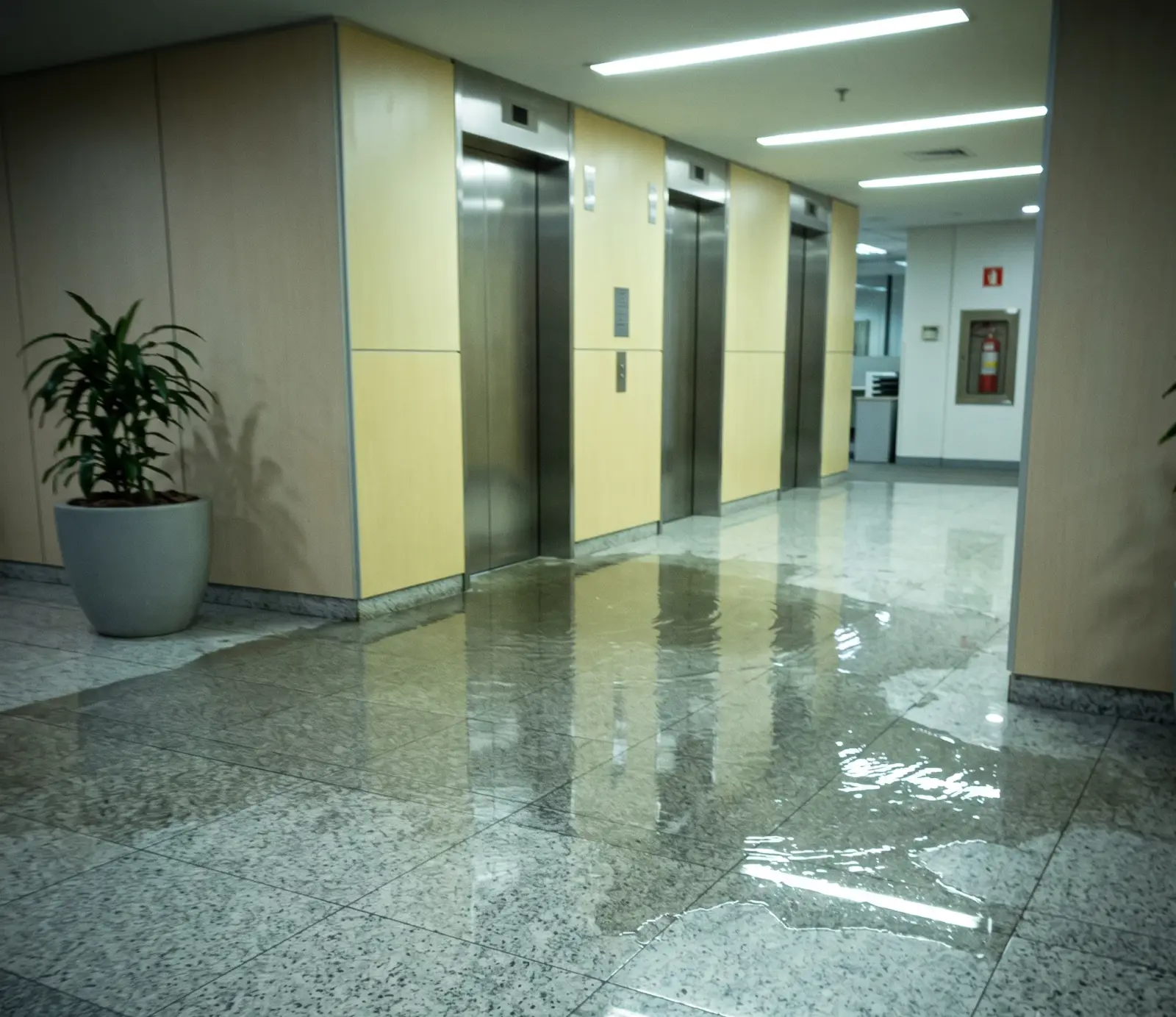
Water may enter through a leak, an overflowing fixture, or an opening in the building. Dedicated location pages serve parts of California, Alabama, Florida, Colorado, Delaware, Connecticut, Arizona, Arkansas, and other covered states; requests from other covered places follow the same referral to the pros we connect you with. Describe where water has collected and how it affects business operations. Ask about availability, expected timing, and scheduling before arranging urgent removal.
Water in a work aisle, service corridor, or storage area can interrupt movement before the full extent is clear. Extraction removes standing water from affected business areas; pumps or wet vacuums may be used. Extraction may address only the standing water within the requested scope. Tell the connected pro which routes must remain open and which rooms can be isolated. That information helps frame urgent removal around access and business continuity, without treating visible water as the whole scope.
Water reaching several business areas can make the removal scope broader than pooling limited to one area. The owner can describe the entry point and affected business areas when arranging urgent service. The pros we connect you with can set out the removal work in a written scope. Owners can ask whether the scope covers water in affected materials as well as visible pooled water. Area pages identify locations with dedicated coverage. In other covered places, the same referral connects owners with pros.
An owner may need to keep some parts of a business operating while other areas are addressed. The work plan depends on where pooled water sits and which building materials it reached, so the affected area matters more than the room label. A removal plan can show where water cleanup ends and reconstruction decisions begin. That scope gives the owner a clearer basis for deciding what happens next with operations and repairs.
Hotel Water Extraction. Coordinate room access, operating hours, and guest routes before emergency water removal begins.
See what extraction involvesHealthcare Water Extraction. Plan healthcare water extraction around room access, care routes, and clear limits on the work area.
See what extraction involvesSchool Water Extraction. Plan school water extraction around room records, campus access, insurer review, and follow-up decisions.
See what extraction involves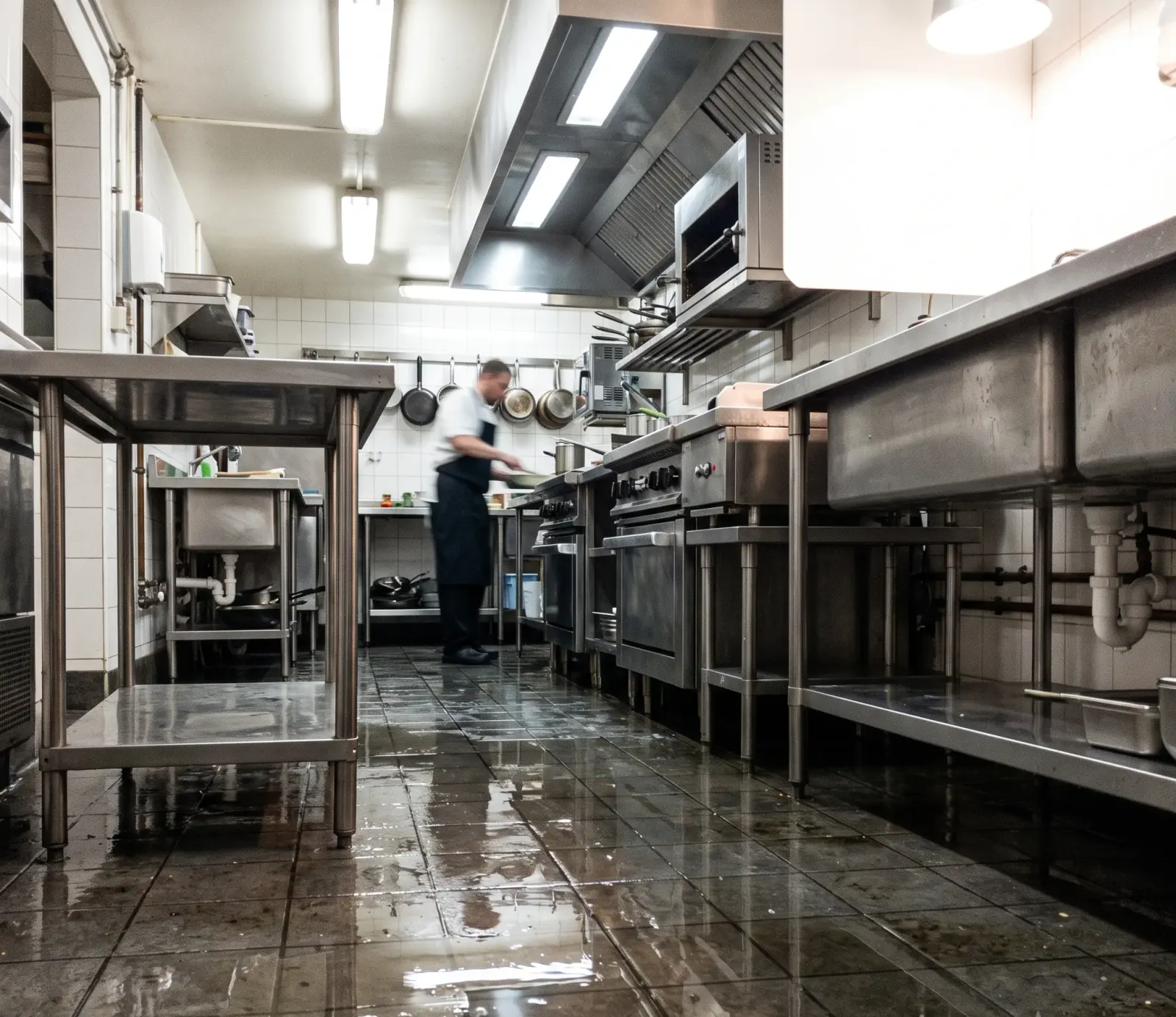
Restaurant Water Extraction. Restaurant operators can request water removal through the licensed pros we connect you with.
See what extraction involves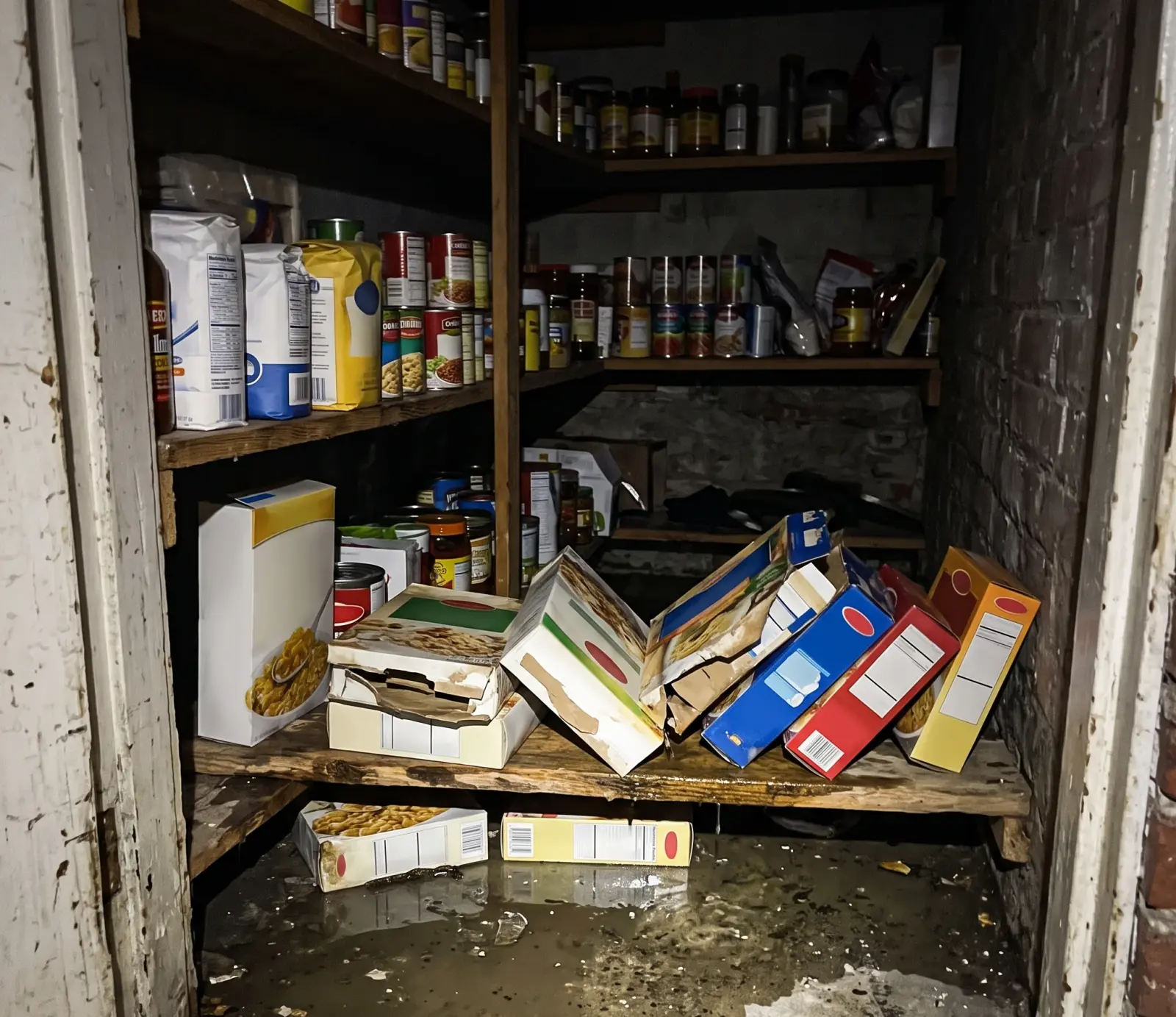
Listed areas have pages; the same referral connects homeowners with pros in other covered areas.
View Basement Water Extraction help in the United States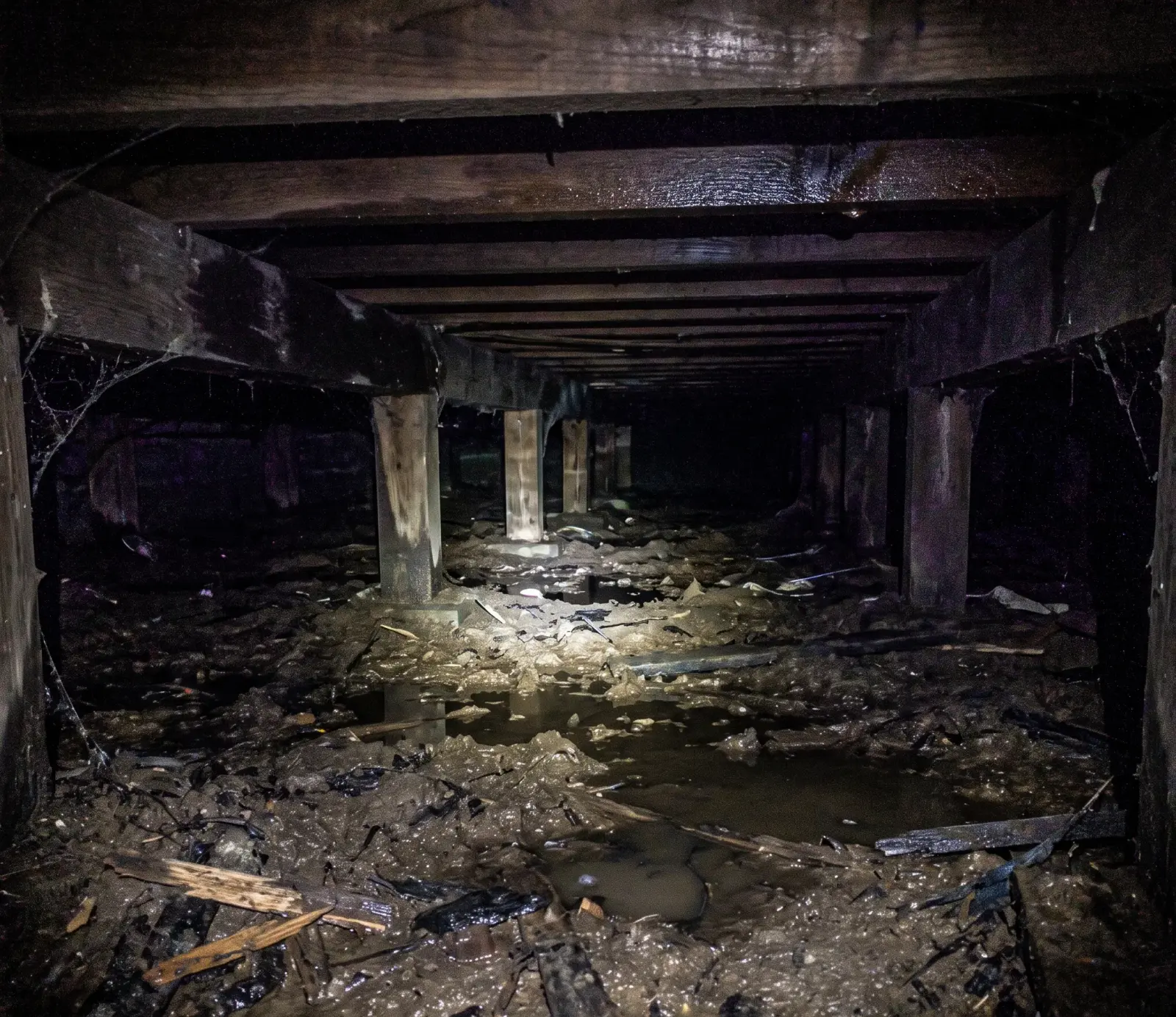
Cost depends on the hatch, clearance, water reach, and removal method
View Crawl Space Water Extraction help in the United States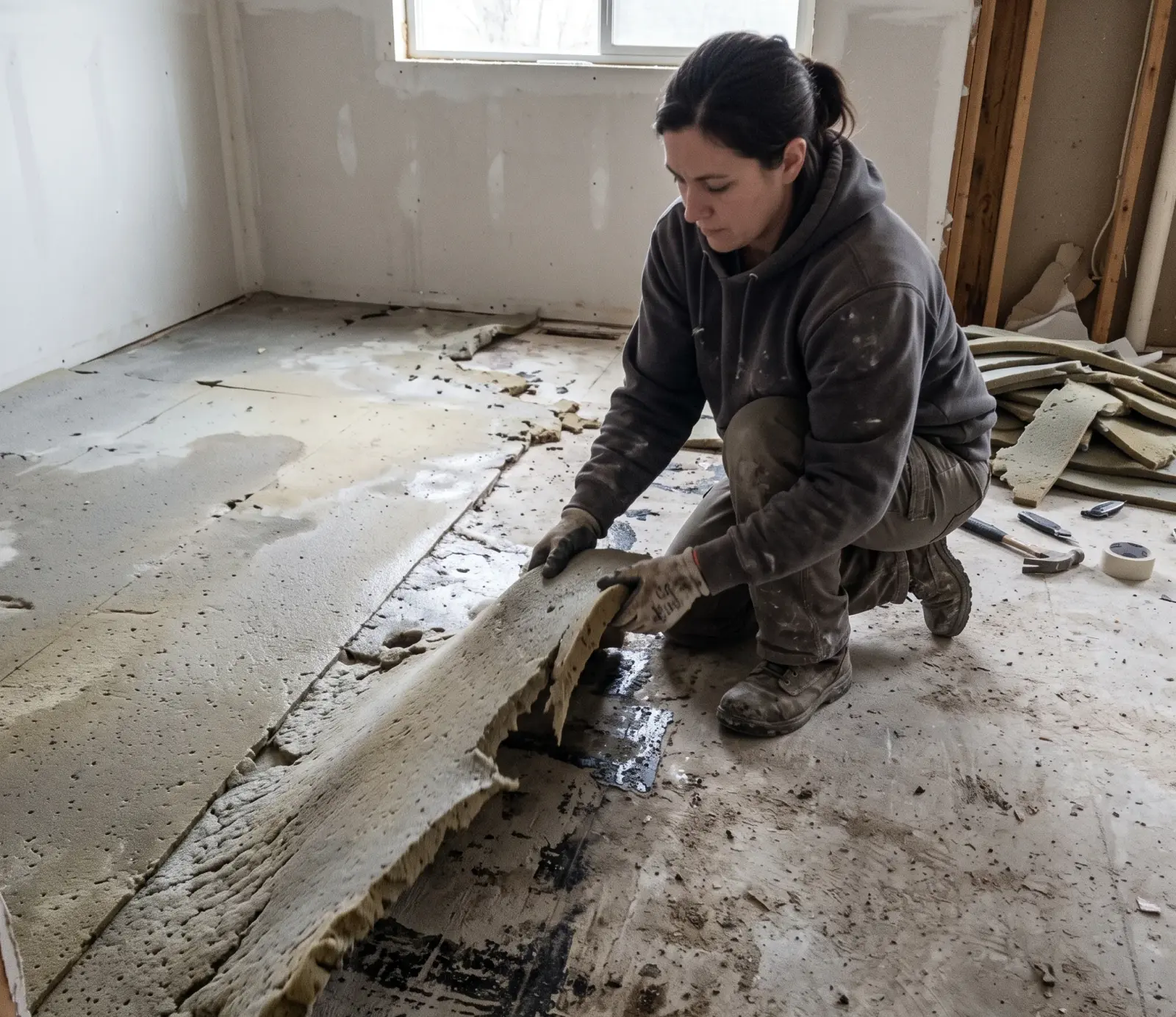
Follow carpet water removal from the first room check through extraction and next-step planning
View Carpet and Pad Water Extraction help in the United States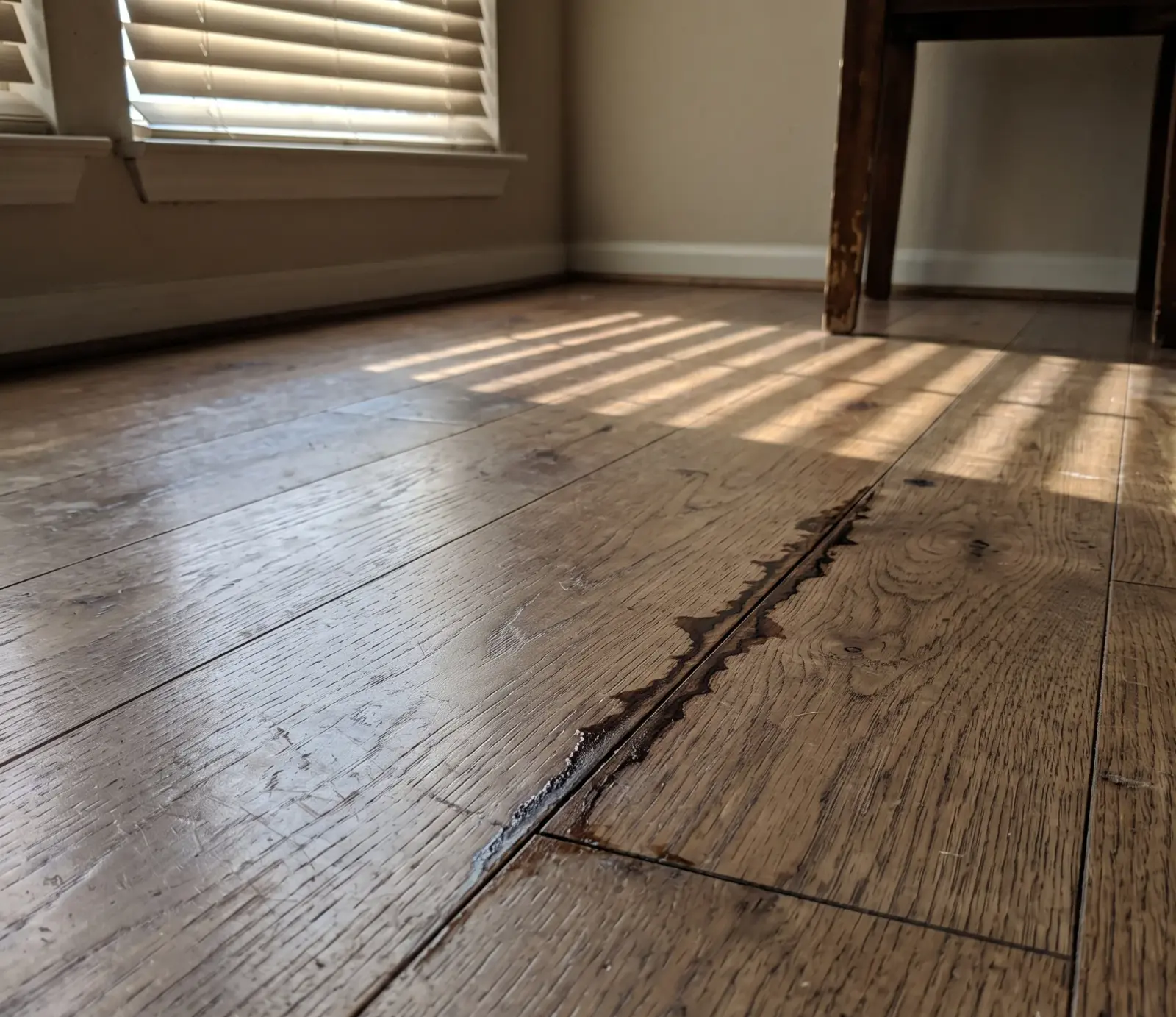
A stepwise floor review guides prompt pickup from wet hardwood boards
View Hardwood Floor Water Extraction help in the United StatesA business can ask when pooled water reaches a space used by staff, customers, or stored goods. Examples include a shop with water across its sales floor, a clinic with a wet treatment room, or a warehouse with water near inventory. The request can concern one room or several parts of a commercial property. Pooled water along a walkway can interfere with people moving through the space.
An inspection evaluates building conditions. Extraction removes water that can be reached. Cost and scheduling depend on the areas needing access and the inspector’s timing. A business should tell both parties which spaces are open and which must remain available. The provider’s work record can help show what was removed. Inspection findings and removal records answer different questions, so keep both with the property file.
The type of business does not determine whether it can ask. A restaurant, office, workshop, or retail operation can contact the pros we connect you with when water intrusion leaves pooled water inside. A property manager may also ask on behalf of a business using the site. The request describes where water collected and how the space is used, so the provider can discuss the removal scope.
Some providers may offer an ongoing agreement for several properties. Ask whether the terms name each address, explain how work is approved, and specify what records each site receives. Cost depends on the work at each location, so request separate scope details. Dedicated area pages describe their named locations; requests outside those pages follow the same referral path to the pros we connect you with.
Commercial emergency water extraction is estimated at $1,300–$3,500 per visit; water amount, affected materials, entry conditions, and agreed tasks shape the figure. The provider confirms it, and a written scope can support insurer discussions.
A flooded stockroom, blocked service counter, or wet office floor can interrupt business use. Describe the affected work areas, materials, and any known source to the pros we connect you with. Ask whether the business address falls within their service area and what appointment timing may be available. Clarify any visit charge and request written terms for the work. Ask how business contents and equipment will be handled while affected work areas are being cleaned. Confirm who can approve added work if hidden moisture or damage appears during cleanup.
Call (888) 369-0191