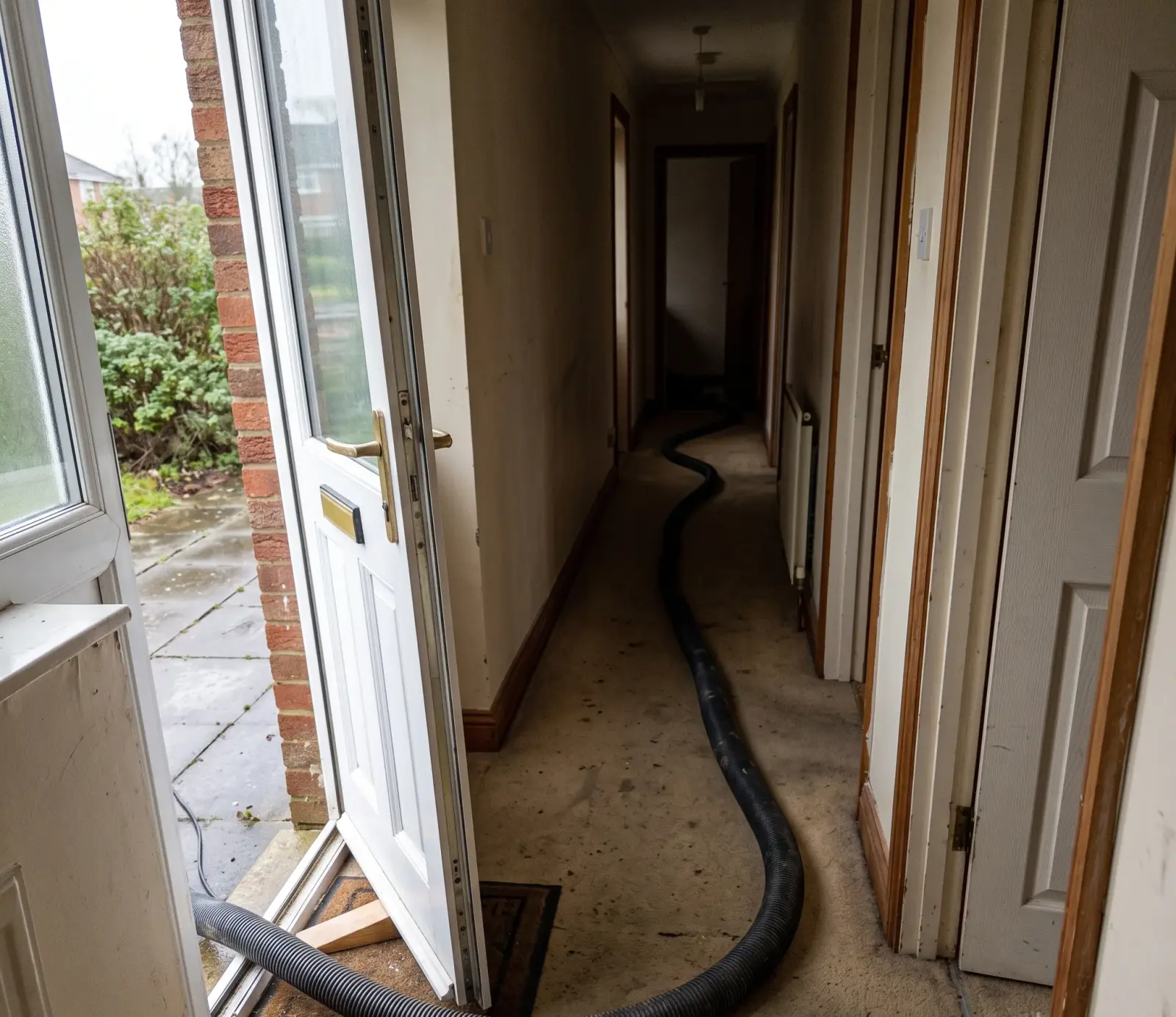
Emergency Response Time
There is no single nationwide arrival time. Learn what can shift an estimate, which details to share, and what to confirm with connected pros.
Read article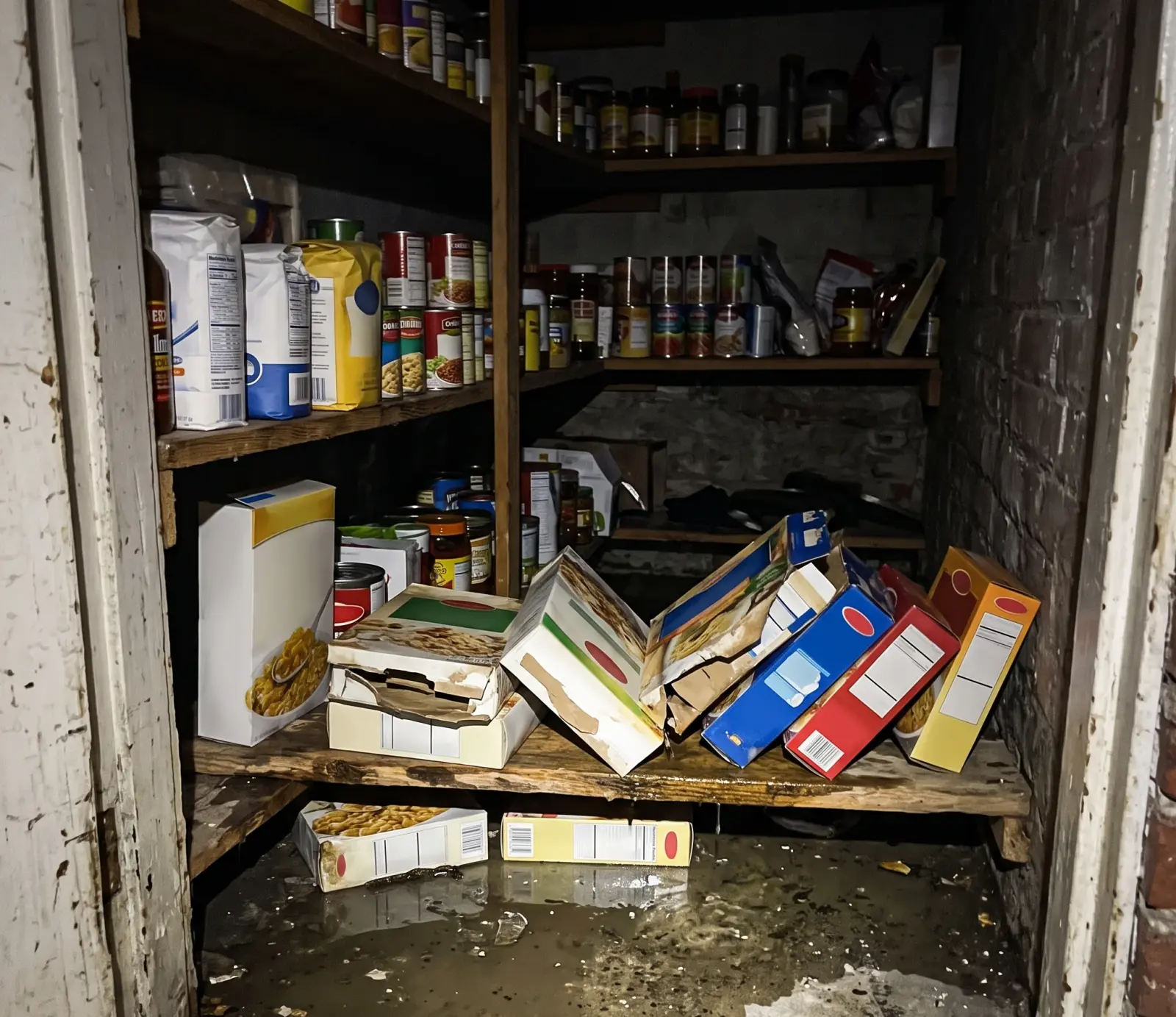
Listed areas have pages; the same referral connects homeowners with pros in other covered areas.
Basement water can follow heavy rain, snowmelt, plumbing failures, or other intrusion. A homeowner may see a shallow pool near the stairs while water extends under shelving or into a finished room. In one house, the basement floor is open; in another, stored belongings hide low spots and limit access. Cost depends on water depth, affected area, and equipment access. Water may seep through foundation cracks or enter when exterior drainage cannot keep up. A dry surface does not prove that materials beneath it are unaffected.
The pros we connect you with can first review the reported depth, affected areas, and possible source. They then assess entry conditions and the route from the outside access point to the basement floor. Tight stairs, turns, and blocked landings can limit equipment choices and add handling time. The amount of standing water and the size of accessible areas also affect the estimate and duration. A source that remains active can add water while removal is underway. Remaining dampness calls for separate follow-up.
A clear view of affected materials helps the licensed pros we connect you with identify what should be removed and what can stay.
When the building is a residence, see residential emergency water extraction; owners overseeing income property or a workplace can use commercial emergency water extraction to review its service.
Water visible near the bottom stair may not show how much of the basement is affected. Stored boxes, cabinets, and low partitions can conceal pools or interrupt a clear view across the floor. From a safe spot, note where water is visible and whether it appears in adjoining areas. Water can travel beneath flooring or behind finished surfaces without appearing in the open. An assessment can map accessible water before removal begins. The estimate can change if further affected areas become visible after safe access is established.
Water near a basement outlet, appliance, or electrical panel signals a possible shock hazard. Electrical danger may not be visible in the water or nearby equipment. Water can also hide uneven flooring or objects that may cause a fall. Do not walk through water to reach a switch or unplug equipment. Seek qualified guidance before entry or pump setup. The provider needs to know about visible electrical equipment near the pool before planning work.
A water level that rises between observations may indicate continuing inflow. Water that returns after an initial removal also changes the assessment, because pumping alone may not keep the floor clear. From a safe, dry location, note when the water was seen and whether its level changed. Share any known source with the provider. Keep clear of the basement if entry conditions are uncertain. A separate response may be needed for the source while standing water removal is arranged.
The owner reports the address, visible depth, affected areas, and any known source from a dry location. This helps plan the assessment.
The provider reviews entry hazards and the route to the basement floor. Pumping waits until access is judged safe.
After checking water depth and accessible areas, the provider selects equipment and removes standing water within the agreed scope.
Once pooled water is removed, the owner can arrange a separate moisture assessment to identify any need for drying equipment.
Basements can have narrow stairs, low clearances, and stored items that restrict access to pooled water. Water left in belongings can damage them even after the open floor is cleared. Water removal clears accessible standing water, but the visible pool is only one part of the condition. Damp materials may need a separate assessment and drying plan afterward. Keeping extraction and follow-up work distinct helps the owner understand the scope and document what was done.
Water removal can involve clearing standing water as well as addressing moisture left in materials. A place page describes service for the place it names; elsewhere, the same referral connects owners with the pros we connect you with. Before entry, the owner can report water depth and any known source from a dry, safe location. The assessment checks spread and entry conditions, then pumps accessible standing water. Moisture assessment and drying can address water left in materials. Extraction does not repair the source.
Ask who is responsible for moving or protecting belongings before extraction. Ask the provider to explain any unfamiliar terms before approving the estimate. Extraction addresses standing water. Work to stop the source, handle sewage or contaminated water, remediate mold, or rebuild falls under separate scopes. Clarify any additional work directly with the provider before it begins.
For the United States, Basement Water Extraction costs are planning estimates; the pros we connect you with can verify any arrival charge and specify water removal in a written scope.
| Water Source | Removal Method | Drying Assessment |
|---|---|---|
| Compact Area | Reachable water gathered from the affected floor surface | an estimated $700–$1,400 |
| Interior Zone | Water pickup confined to surfaces named in the estimate | an estimated $805–$1,820 |
| Connected Areas | Water extraction from open portions of an affected space | an estimated $700–$1,400 |
| Structure Wide | Pooling lifted from accessible flooring within the written scope | an estimated $1,680–$5,600 |
The estimate may change if access is difficult or water reaches additional rooms. Drying and source repairs can add separate work after extraction; material choices for later repairs can also affect the total. Check how those options are described in the full pricing guide, then compare them with the written scope.
A provider reviews the visible depth, affected areas, access route, and possible hazards before choosing equipment. A pump can move larger pools; a wet vacuum can collect water in accessible areas. The method depends on the amount of water and the basement layout. Once entry is judged safe, equipment removes standing water from the agreed areas. The owner can request a written record of the work for insurance documentation.
If a plumbing leak is the source, shut it off only if the control is reachable without entering the affected area. Standing water can make nearby outlets, appliances, or wiring dangerous. Keep people and pets away, and follow local emergency guidance. From a dry location, note the visible water depth and any known source. Arrange a professional assessment before entering or attempting removal. A shallow-looking pool does not establish that the basement is safe.
The estimate depends on water depth and spread, how many areas are affected, and whether equipment can reach them. Narrow stairs, tight turns, or a blocked landing may require a different setup and more handling. Continuing inflow can also affect the work plan. Ask the provider to state which areas and removal tasks the estimate includes, along with conditions that could change it.
From a dry, safe location, note the service address, visible water depth, affected rooms, and when the water appeared. Report any known source or change in the water level. Describe the basement entrance, stairs, landings, and visible obstructions. Mention nearby electrical equipment or any concern about structural damage. Mention any finished flooring or wall coverings that appear wet.
A pump can move larger pools of standing water. A wet vacuum may fit a smaller accessible area or a layout where a pump is unsuitable. The provider weighs the visible depth, affected floor area, and route for bringing equipment downstairs. Safety conditions also matter. Equipment choice follows the assessment; it should not require a homeowner to enter an unsafe basement first.
Pumping removes standing water but does not establish that the basement is dry. Water may remain inside walls or beneath flooring after the surface pool is gone. The owner can ask whether that follow-up is included or requires a separate arrangement. Keep the estimate and records of the completed removal for insurance documentation. A leak that continues can cause water to return after removal.
For Basement water extraction, $700–$1,400 is the estimate for extraction work. The provider sets the confirmed figure after reviewing how much water and which materials are involved, site access, and scope.
A written work scope records what was removed and can help organize questions for an insurer.
There is no single nationwide arrival time. Learn what can shift an estimate, which details to share, and what to confirm with connected pros.
Read article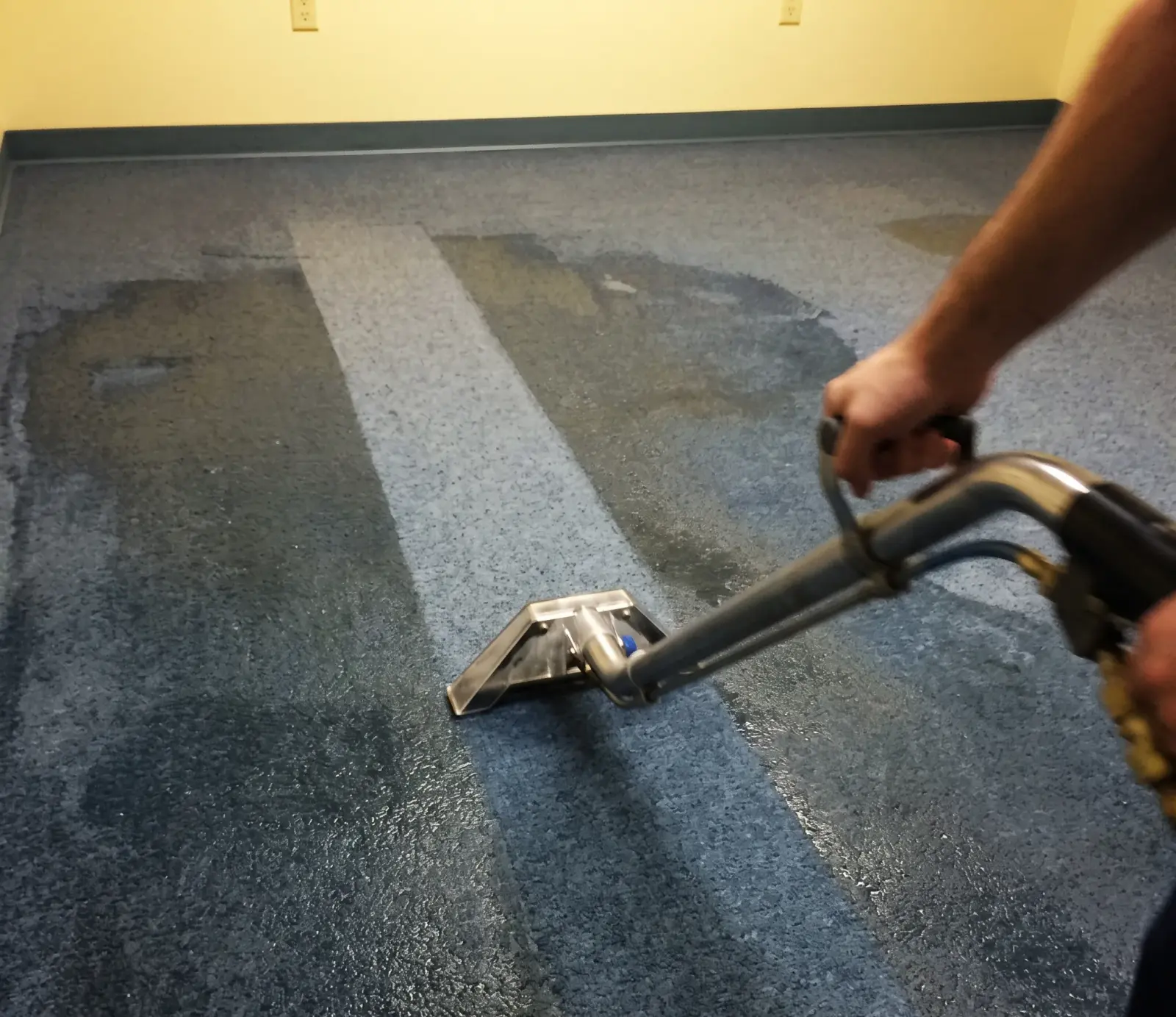
How long does emergency water extraction take? See how water volume, access, and surfaces shape the estimate, and what to clarify about scope and completion.
Read article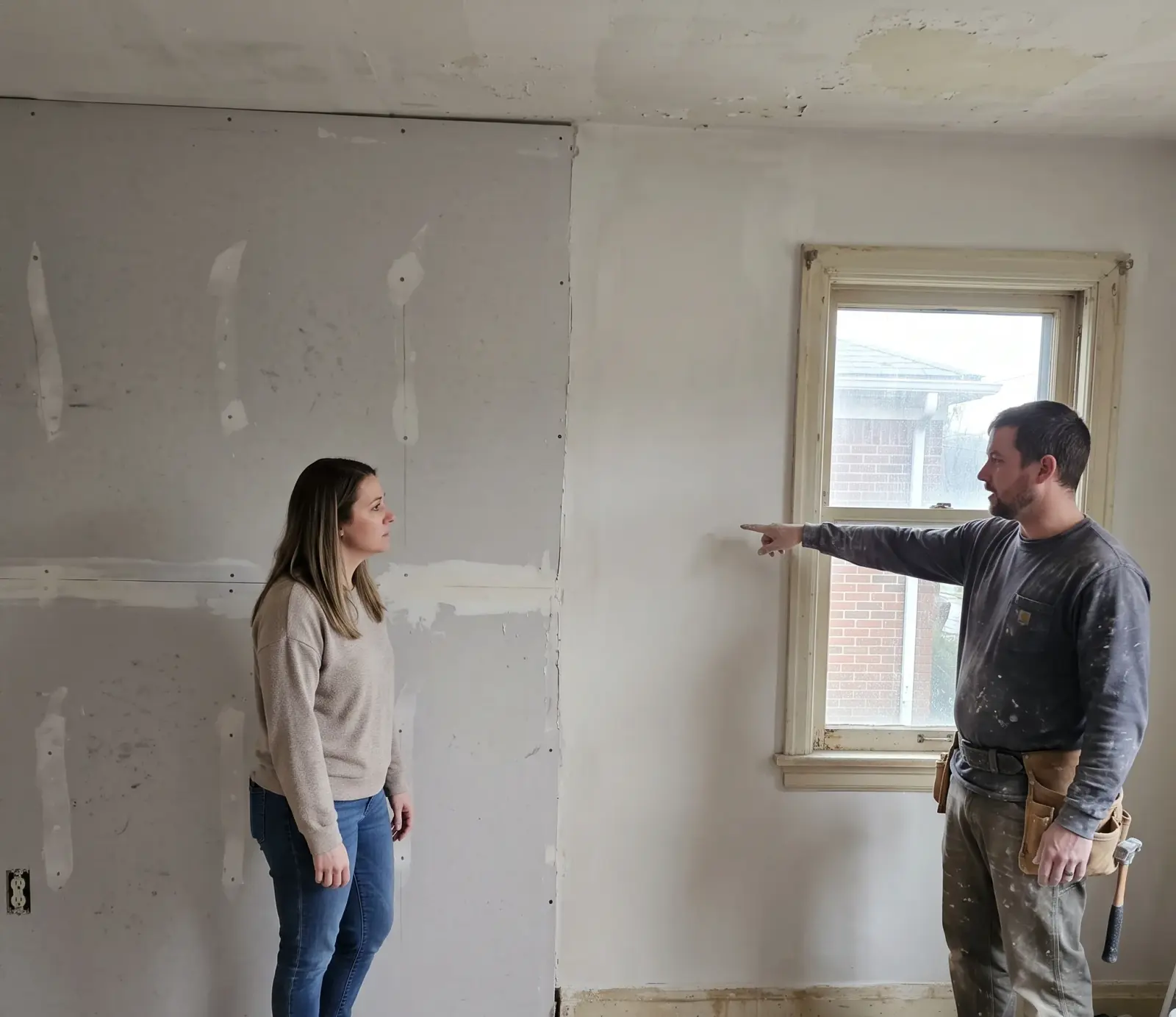
Standing water can hide electrical and footing hazards. A clear view from a doorway cannot show how far water has traveled.
Read articleCost can change with the affected areas and the work included. Service area pages provide place-specific details; elsewhere, requests use the same referral. A homeowner can describe where water stands and how it entered when requesting an estimate for urgent removal. Compare estimates by checking whether each covers extraction alone or includes moisture assessment and drying equipment.
Call (888) 369-0191