Hidden Water Paths Inside Buildings
This is a national service page. The page focuses on removing standing water before broader restoration decisions are considered. The page describes the visit generally, while the water source, affected rooms, and access conditions shape the work at each property.
Water intrusion can affect one room or several connected areas. Construction, room layout, and entry access affect how a professional reaches pooled water. The owner’s description helps the assessor plan a site review without treating one region’s conditions as universal.
A city or county page describes an area with its own information, but does not establish service at every address. Elsewhere, requests use the same referral path; the property location helps determine whether the pros we connect you with can take the call.
Other Work May Be Needed
- SOURCE
- The owner can identify when water appeared, its suspected source, and the rooms where it is visible.
- WALKTHROUGH
- The assessor reviews access and visible hazards before setting the area for standing-water removal.
- ACCESS
- Pool size, surface type, and equipment reach guide the choice between a pump and wet vacuum.
- WORK PLAN
- The agreed work area states where the operator will collect pooled water during the visit.
- COVERAGE
- Homeowners can explain the water problem, point out areas that need attention, and ask the licensed pros we connect you with what an extraction visit may involve.
- Water Source
- Season can affect the water source, from storm entry to a frozen or failed supply line. It does not change the visit sequence: the assessor reviews conditions, defines access, and plans removal around the water and affected surfaces.
- LABOR NEEDS
- an estimated $250–$1,300
Work Beyond Standing Water Removal
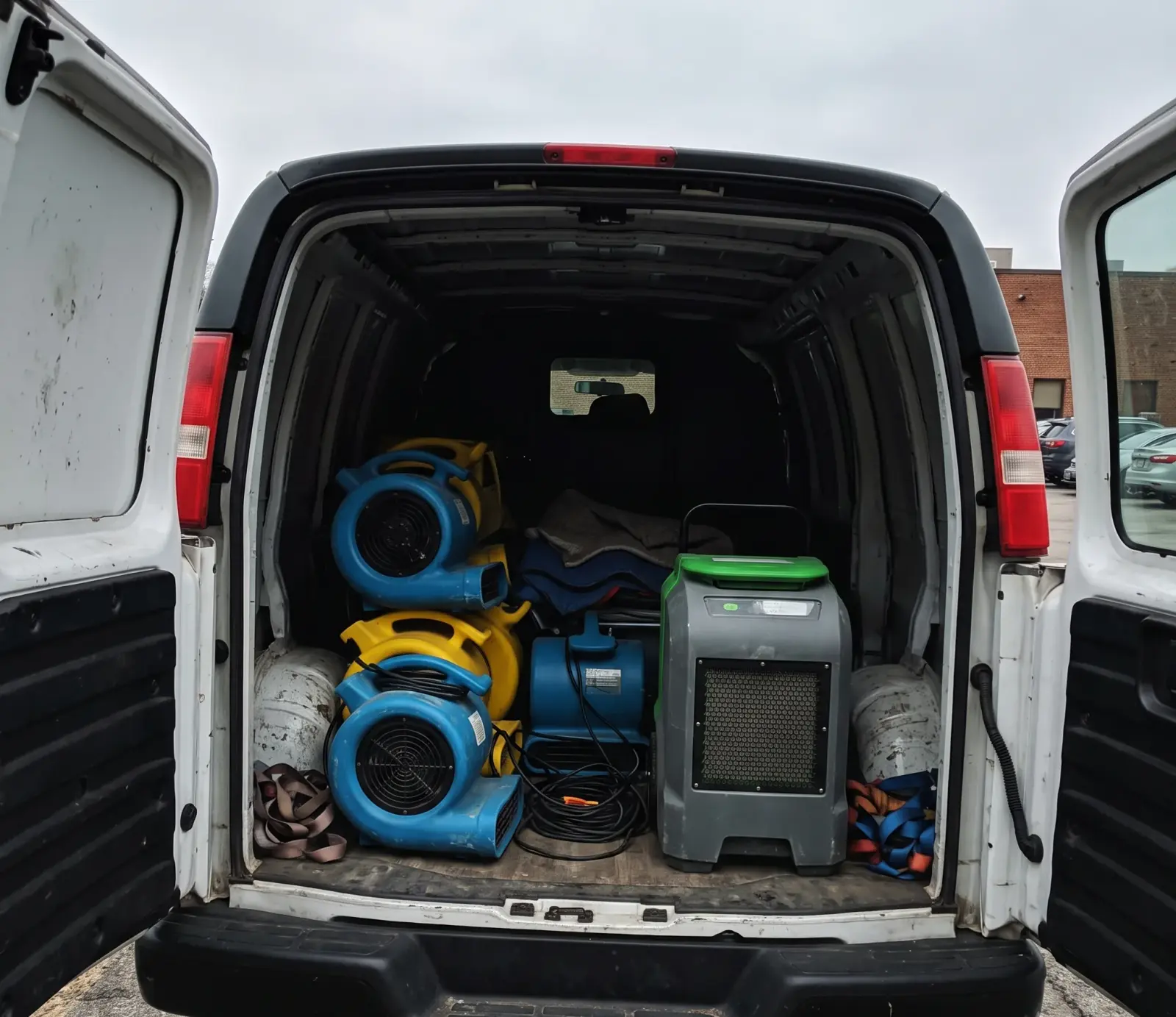
Water damage restoration is a broader term that can include several stages after an intrusion. A broader restoration plan may address conditions beyond the standing water that can be collected. The work description gives the clearest distinction: extraction covers collection of pooled water from the stated area. Drying equipment serves a later moisture-control task. A machine’s casing or label alone does not show which step it performs; check the scope for the task assigned to it.
What Determines the Removal Work Required
A conversation can clarify whether the request concerns pooled water or a wider cleanup. The assessor walks the accessible area, notes pooled water and visible hazards, then explains the proposed work boundary. This initial review helps the owner understand what the emergency water extraction process will address.
Once the work area is agreed, the operator chooses equipment suited to the pool and reachable surfaces. Pumps move larger collections; wet vacuums collect water from accessible floors. The operator works through the defined area and removes standing water. Any separate source repair or contaminated-water cleanup needs its own scope.
The removal area and any follow-on drying affect the cost. An exposed pool in one area may be cleared in one appointment. Water trapped under flooring or still entering needs more than extraction; ask which later checks or drying tasks are included in the plan.
WHAT EXTRACTION HANDLES BEFORE MOISTURE CHECKS START
| Entry Conditions |
Water Removal |
|---|
| Floodwater settled inside the structure | Home or business |
| A cleared area wetting again | Safety review |
| Water tracked through connected rooms and hallways | Water cleared; drying tools deployed |
POLICY TERMSExtraction rules and contractor requirements can differ by location. No nationwide license, code, or invoice form is verified for this page. Keep notes about visible water and any concerns discussed during the visit.
Where Hidden Water Can Remain
When removal is delayed, pooled water can reach more rooms and collect beneath fixed features, making access harder. The visit may then need a wider work area to reach visible water. Extraction addresses the pool; any later material removal or repairs are separate decisions based on the affected property.
Keep Insurance Notes in One Place
From a dry, safe location, the owner can note where water is visible and identify a reachable shutoff if its label is clear. Do not cross wet areas or touch electrical equipment. Keep people and pets away, then describe access limits and possible hazards when arranging the visit.
When a Room Should Stay Clear
Standing water can make a room unsafe when electricity or the structure may be affected. Do not enter water near outlets, appliances, or wiring. Keep household members and pets out, and tell the provider what hazards are present. If the floor or ceiling appears unstable, wait for qualified help to assess access. Follow local emergency instructions when conditions are uncertain.
Learn What Water Removal Work Covers
When comparing quotes, check whether each covers the same rooms, water level, and access conditions; ask the pros we connect you with to state the removal cost.No local price band is supported here. A written estimate should tie the charge to the area needing extraction, water volume, access, and listed tasks. A clear task list also shows where water removal ends and separately scoped work begins. Ask whether a visit fee applies and get the work boundaries in writing before approval.The cost guide compares the full ranges and explains what can shift the final amount.