Electrical Exposure Around Standing Water
The cleanup needed can differ from room to room within one home. Housing layouts and materials vary across this reach. A finished room or basement may limit household equipment access, while open hard flooring can be easier to clear.
A spill in a home with tile may remain accessible, while water reaching carpet, trim, or a lower level can enter absorbent materials. The house layout and affected surfaces shape whether household collection is suitable.
A page for a city or county signals that area has dedicated information. Requests from places without their own page still follow the same referral, with the property address used to check whether the pros we connect you with serve it.
Pumps and Wet Vacuums at Work
- DIY FIT
- Towels or a household wet vacuum can collect a small amount of clean water from an accessible, safe surface.
- MATERIALS
- Carpet backing, trim, and wall materials can absorb liquid beyond the reach of surface collection tools.
- TOOLS
- A low water line can leave damp carpet padding or wall materials behind. Neither confirms moisture is absent from materials.
- HAZARDS
- Odor, color, and source can help describe water, but appearance alone may not establish its contents.
- COST & SCOPE
- Cost depends on spread, materials, access, and equipment; selected places have dedicated pages, while the same referral connects homeowners in other covered areas.
- Water Source
- Seasonal storms and freezing conditions can change when water enters a home, but no season alone identifies the cause. Judge the actual water route, affected materials, and safety conditions before choosing household removal or professional help.
- RESPONSE TIMING
- an estimated $250–$1,300
When the Water Source Persists
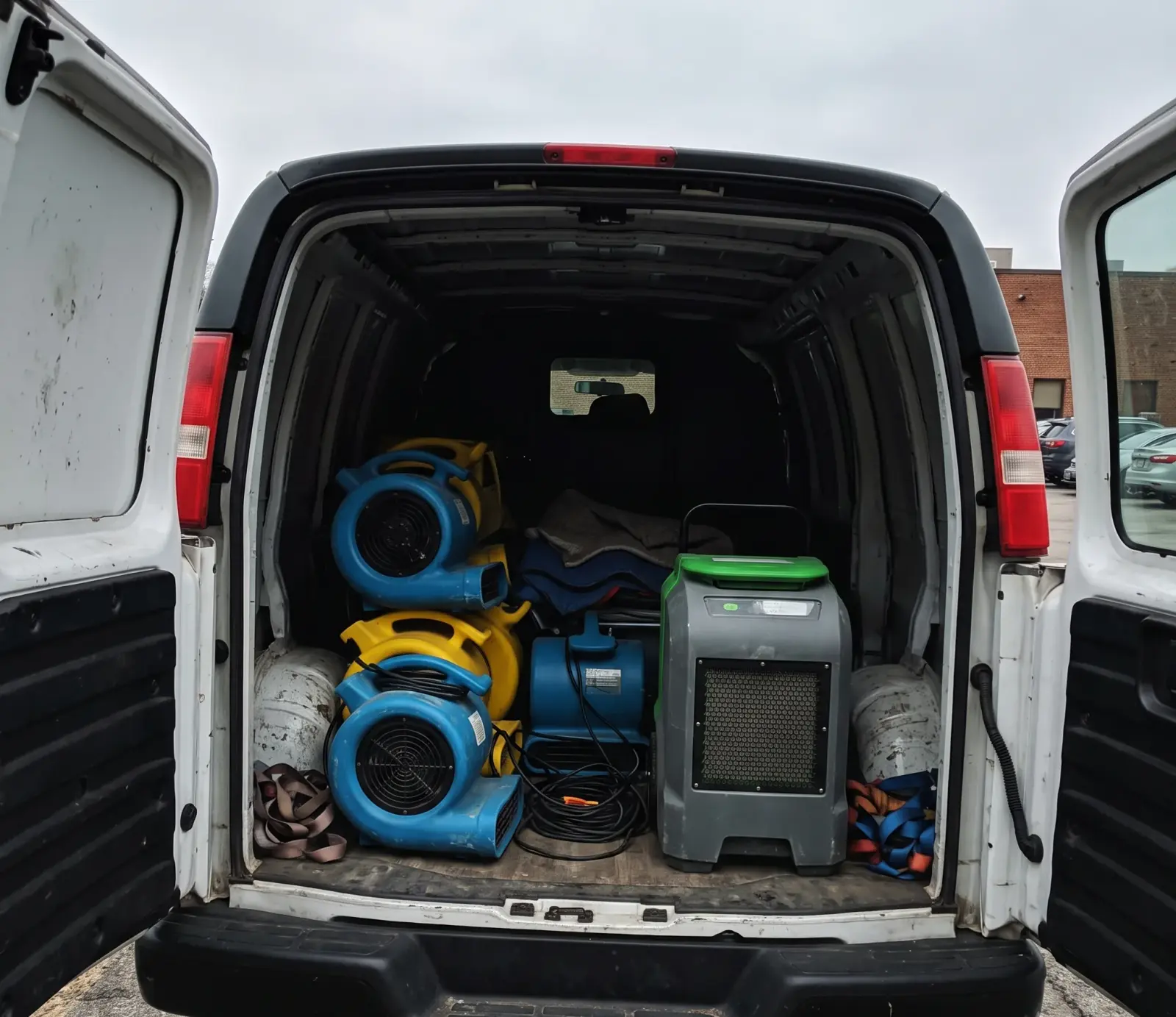
Shop vac water removal uses a household tank to collect liquid the hose can reach. It can look similar to professional extraction at the surface, though it does not assess concealed moisture or reach every material. Check the written scope to see whether the work is extraction or drying. Extraction removes standing water; drying equipment addresses moisture that may remain in materials. A pump or wet vacuum identifies a removal method, but its presence does not establish what the full job includes.
Moisture After Visible Water Is Gone
A professional first considers the water type, the affected materials, and safe access. Pumps can move pooled water; wet vacuums collect liquid from reachable surfaces. The method depends on where water sits and what it has contacted.
After standing water is collected, the provider can assess whether floors, walls, or other materials remain damp. Moisture readings and a written scope can document concerns. The assessment can identify materials that may need removal or further inspection.
Cost is shaped by the water left to remove and any separate drying work. One appointment may suffice when the pool is reachable and the source has stopped. Damp materials, hidden spread, or continuing water entry call for a written scope and follow-up checks.
WHICH CONDITIONS CALL FOR WATER REMOVAL OR A MOISTURE REVIEW
| Written Record |
Entry Conditions |
|---|
| Indoor water accumulation after intrusion | Insurer work records |
| Water collecting anew in treated rooms | Scope estimate |
| Floor-level pooling in several disconnected spaces | Pooling removed; equipment addresses dampness |
PHOTO LOGCheck that the written scope describes the work you are approving. Request an invoice that records the service date, rooms addressed, labor, and equipment charges. Keep photos and insurer correspondence with it.
When Further Drying Becomes Part Of Work
Water absorbed below a surface can leave flooring, backing, or wall materials damp after the pool is gone. Delayed assessment can make the affected area harder to identify. Extraction removes standing water; drying, source repair, remediation, and rebuilding may involve separate work.
Keep Insurance Notes in One Place
For a clearly safe, contained spill, use towels or a household wet vacuum on the exposed surface. Read the equipment label and stop if water spreads, returns, or reaches materials. Keep people away from questionable areas. Do not operate electrical equipment where outlets or wiring may be wet.
Getting Guidance Before Entry
Electrical contact is the main immediate safety concern during water removal. Standing water can also conceal sharp debris or flooring that may not be stable. Keep out of affected areas when safety is uncertain, and seek qualified help. Possible structural damage is another reason to wait for an assessment before extraction begins.
Learn What Water Removal Work Covers
When comparing quotes, check whether each covers the same rooms, water level, and access conditions; ask the pros we connect you with to state the removal cost.No local price band is supported here. A written estimate should tie the charge to the area needing extraction, water volume, access, and listed tasks. A clear task list also shows where water removal ends and separately scoped work begins. Ask whether a visit fee applies and get the work boundaries in writing before approval.The cost guide details the available ranges and what can change the final scope.