Healthcare Facility Water Extraction
Healthcare Water Extraction
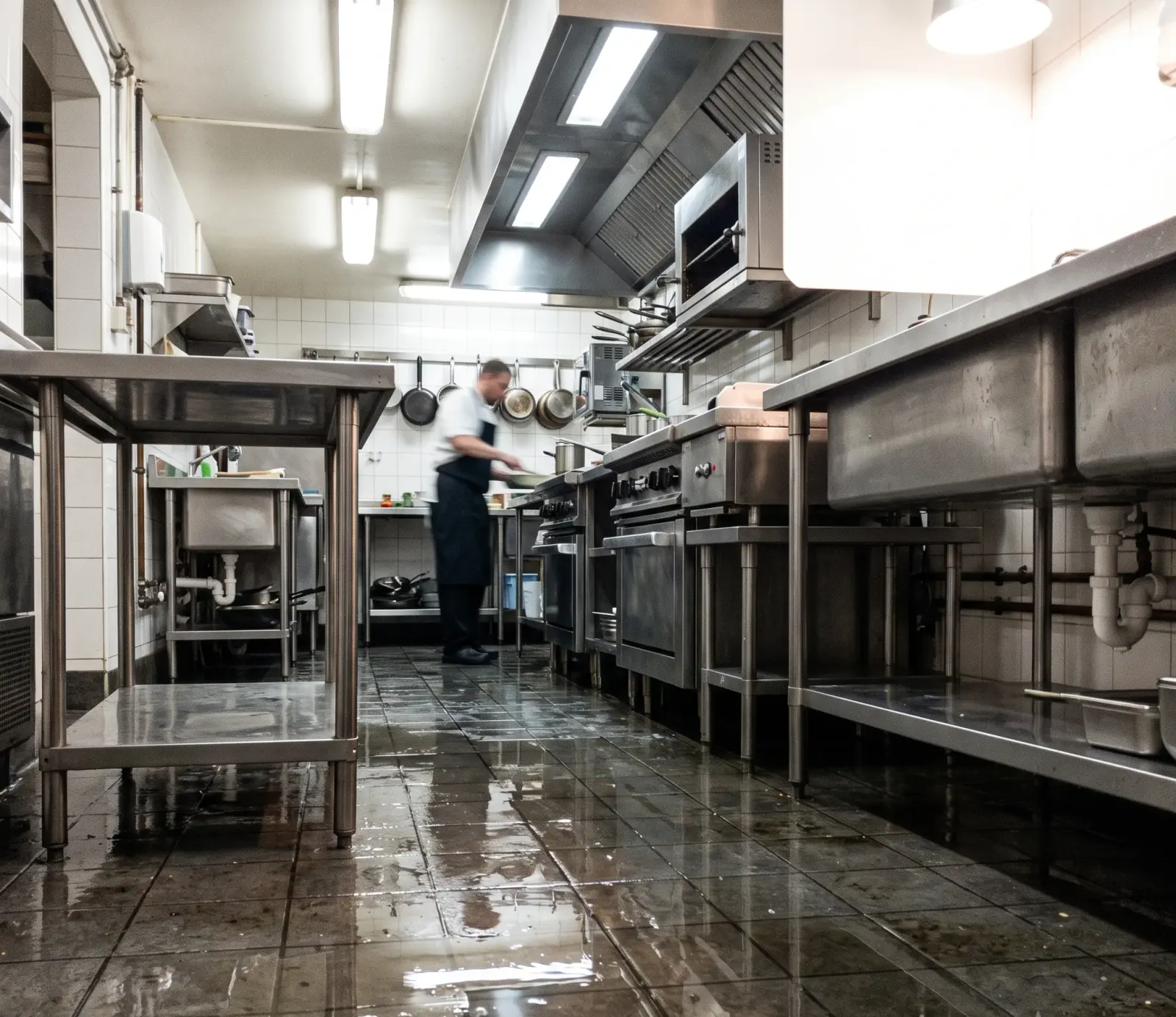
Restaurant operators can request water removal through the licensed pros we connect you with.
Restaurant water extraction removes standing water from agreed dining, kitchen, and service areas. The manager and provider coordinate access and work boundaries around restaurant operations. Moisture checks and drying may require separate follow-up, and extraction does not repair the water source.
Commercial water extraction cost moves with the amount of water, the floor area, and access. Restaurant water extraction also has an operating cost: wet dining, kitchen, or service zones can interrupt work while removal is underway. This page explains how those areas shape the response, where coordination matters, and what extraction leaves for follow-up. Location pages identify places with dedicated pages. Other covered locations connect through the same referral. The pros we connect you with can discuss the affected zones and work sequence with the restaurant’s operations lead.
The first decisions concern where staff can safely work and what activity must pause. A wet aisle beside a cookline can restrict food preparation; water near a dining entrance can affect guest movement. Staff observations can help outline these limits. Note which stations are operating, which routes carry supplies, and what parts of the floor are unavailable. If standing water is near electrical equipment, keep people clear until qualified help assesses the area. These details help frame a practical visit without treating the whole restaurant as one work zone.
Restaurant water extraction means removing pooled water from affected restaurant spaces. For example, commercial kitchen water removal addresses standing water on kitchen floors, while dining and service areas may need separate attention. The pros we connect you with may use extraction equipment suited to the conditions. Water removal is the immediate task. It does not establish that flooring, walls, or other materials have dried. Assessment and drying can follow as separate work when moisture remains. The distinction helps operations plan the next steps after visible pools are gone.
A zone list should follow how the restaurant runs. Separate seating and aisles from cooking stations, food preparation, dishwashing, storage, and service counters. Mark where water stops and where staff cannot inspect. This gives the provider a workable outline and helps the manager identify which tasks could continue elsewhere. If two areas share a doorway or floor path, note that connection. A boundary based on restaurant functions can make the extraction plan easier to coordinate than a single label such as “kitchen” or “dining room.”
Equipment needs a route in and out, and that route can compete with deliveries or staff movement. Identify doors, corridors, loading access, and any narrow passage beside active work. A provider may need a clear path to reach a wet area; carts or stored supplies can slow setup. The manager can name periods when a corridor must remain open and note alternate access. This coordination may affect the order of extraction and the time affected operations stay restricted. It belongs in the initial scope discussion.
| Area | Water location | Service impact |
|---|---|---|
| Dining floor | Water beneath banquettes and fixed seating | Closed seating can narrow guest circulation |
| Cook line | Pooling beside ranges, fryers, and fixed units | Heat stations may remain unavailable during removal |
| Food prep island | Water crossing shared prep and wash paths | Staff routes may shift while equipment operates |
| Cookline floor | Wet ground around racks and drain channels | Dish flow may pause until access clears |
| Walk-in approach | Moisture at insulated door sill and floor seam | Stock movement may need a timed detour |
| Expo pass | Water on the route between plating and pickup | Order handoff may slow or stop |
| Ingredient shelving | Pooling beneath elevated dry goods | Lower shelves can limit machine positioning |
| Receiving vestibule | Water at the incoming supply threshold | Deliveries may need a different sequence |
Before work starts, ask which rooms and floor sections the proposed removal covers. The provider’s visit may not include spaces staff could not open or inspect. Confirm whether adjoining thresholds, under-counter areas, or a service passage are part of the plan. A clear boundary lets the manager compare the work with the zone list and track what remains. It also keeps the discussion focused on standing water removal. Any additional assessment or repairs can be discussed as separate follow-up instead of being assumed in the extraction scope.
Visible water can be removed while dampness remains in grout lines, floor edges, or materials beneath equipment. That can affect the return of food preparation or customer use, even when the surface appears clear. Ask whether moisture assessment is included or arranged separately, and what areas it would check. Drying equipment may be set afterward if materials remain wet. Extraction alone does not confirm a space is ready to reopen. The operations lead can use the follow-up plan to decide what activities remain on hold.
The commercial water extraction cost may rise when water reaches several work zones or access requires extra coordination. Large kitchen equipment, fixed counters, and narrow aisles can shape how crews reach the floor. The amount removed and the surfaces involved also affect labor and equipment needs. A useful estimate describes the locations reviewed and what the proposed work includes. It should make clear whether drying or other follow-up is outside that scope. Comparing estimates by boundary and task gives the owner a clearer basis for planning downtime.
Downtime depends on which functions lose access, not simply on the total wet floor area. A blocked dish station can slow service even if dining tables remain usable. Water around preparation surfaces may constrain kitchen work, while a wet customer route can limit seating. The operations lead can identify dependencies such as dish return, deliveries, and staff circulation. The extraction sequence can then account for which zone must be addressed first and what work might continue elsewhere. This turns a broad closure question into a set of specific operating decisions.
A written work description helps the restaurant compare planned removal with actual operating constraints. Ask that it identify the reviewed zones, access limits, and any locations left outside the work area. The owner can use the description when coordinating with a landlord, insurer, or internal facilities team. Keep the discussion centered on water removal and the agreed locations. Documentation does not determine reopening readiness; remaining moisture and operational requirements may call for separate review. This record gives the next decision makers a shared account of the extraction boundary.
A zone can move out of the extraction phase when pooled water has been removed within the agreed boundary. The provider should explain whether another listed area remains untouched or inaccessible. Staff can then reconcile that update with the restaurant’s zone list before restoring routine movement. A cleared floor surface alone does not establish that materials beneath or beside it are dry. Treating water removal and readiness as separate milestones helps avoid restarting a task in a space that still needs moisture checks or drying.
Follow-up planning should identify who will assess damp materials and how that work affects access. Flooring seams, toe kicks, and wall edges may hold moisture beyond the visible pool. If drying equipment is needed, its placement can occupy floor space or restrict a route while it runs. The manager can ask which zones require that next step and whether operations need to remain adjusted. Extraction removes standing water; assessment and drying address what may remain. Each stage has its own scope and completion point.
Before contacting an independent extraction provider, prepare the restaurant address, a zone list, and the main access constraints. Describe which operations are paused and which routes must stay clear. Note where staff saw water and whether equipment or counters block inspection. This gives the provider context for discussing a visit and likely work sequence. The information need not establish a cause or a final drying plan. It should help the restaurant explain what is wet, what is usable, and what coordination the response must accommodate.
After the scope discussion, compare the proposed areas with the restaurant’s operating map. Ask how the provider will handle restricted access and what happens if staff identify another affected zone during the visit. Confirm which follow-up tasks need a separate arrangement, especially moisture assessment or drying. Then assign an operations contact to coordinate entry and communicate restrictions to staff. These steps help the restaurant move from urgent removal toward a deliberate return of dining, kitchen, and service functions.
Cost changes with the amount of water, affected floor area, and access limits. For a restaurant water emergency, first identify the dining, kitchen, dishwashing, and service zones involved. Water can pass beneath counters or cross a threshold into another work area. The manager and provider can then agree which surfaces are included and where equipment can travel. That plan helps staff coordinate meal service, deliveries, and temporary closures. Agreeing on the work area also clarifies which parts of the restaurant may need temporary closure. Ask whether moisture assessment and drying are separate follow-up work.
Place-specific service pages show where dedicated details appear; requests from other areas go through the same referral, with linked locations includingAuburn AL, Birmingham AL and Homewood AL. Check whether reaching the property adds a dispatch charge, and have the written scope distinguish water removal from any later drying.
Commercial estimates may list each service attendance separately. The affected floor size and chance of return work also shape the scope. Wet materials may need separate attention from standing water. Warehouse aisles narrowed by stored goods can slow equipment access. A wider wet section may also change setup and labor.For businesses, water spread across separate work areas can change pump and labor needs, shifting the estimate. When calling, identify the areas still holding water, the access route, and any active source. Also note which work areas need to remain usable during removal.The pricing guide lists full cost ranges; commercial overview explains commercial removal and the checks that can guide next steps for moisture.
Healthcare Water Extraction
School Water Extraction
Hotel Water Extraction
The estimate can clarify that extraction removes water but does not repair the leak. Fixed counters, narrow passages, or busy service routes can affect setup and coordination. Ask the provider to describe the included zones and any separate follow-up. A written estimate can make the proposed scope clear.
Extraction can remove water already on the floor, but it does not stop water from continuing to enter. The restaurant manager should report any active leak or other known source before work is planned. Source control requires separate attention. The provider can explain whether removal can proceed safely while that issue is addressed.
After standing water is removed, moisture may remain in flooring or other materials. A moisture assessment can help identify where drying equipment may be needed. Include areas beneath fixed kitchen fixtures when describing what needs assessment. Water removal alone does not confirm that the kitchen or dining area is dry.
The manager can note whether dining, kitchen, dishwashing, or service areas may need temporary closure. Counters, equipment, and narrow paths can change how the work proceeds. The manager can share meal periods and delivery windows when discussing scheduling. Ask the provider for an arrival window and an estimate of the work time after reviewing the site.
List wet zones, equipment limits, and operating windows, then ask an independent extraction provider to discuss scope and coordination.
Call (888) 369-0191